
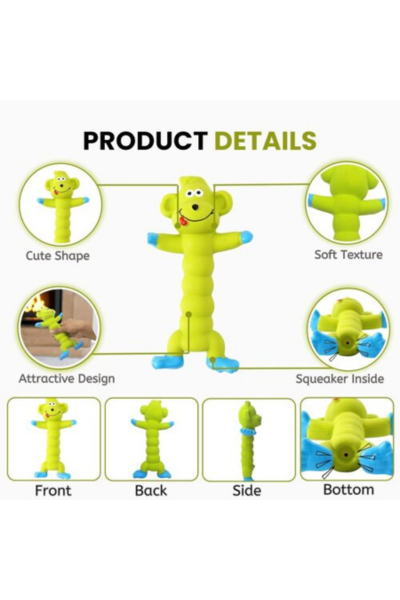
Description
| Pet toy type | Chew Toy |
| Theme | Animals |
| Breed Recommendation | Small |
| Brand | Foodie Puppies |
| Recommended Uses For Product | Boredom Buster, Chewing, Playing, Teething |
| Cartoon Character | Animal |
| Indoor/Outdoor Usage | Indoor, Outdoor |
| Colour | Green |
| Material | Rubber |
| Pattern | Dog Toy |
The Toy Poodle Dogs is one of the most elegant, intelligent, and affectionate small breeds in the world. Known for its curly coat, graceful appearance, and lively personality, the Toy Poodle Dogs has captured the hearts of pet lovers everywhere. Despite its small size, this breed is packed with energy, charm, and loyalty, making it a perfect companion for families, singles, and seniors alike.
History of the Toy Poodle Dogs
The origins of the Poodle Dogs trace back to Europe, where Poodles were first bred as water retrievers. Over time, selective breeding created three different sizes – Standard, Miniature, and Toy. The Poodle Dogs became especially popular among nobility and royalty, admired for its beauty, intelligence, and adaptability to indoor living. Even today, the Poodle Dogs is considered a symbol of sophistication and companionship.
Appearance and Size
A Poodle Dogs is the smallest of the Poodle varieties, typically weighing between 4–6 pounds and standing under 10 inches tall at the shoulder. Its trademark curly or corded coat comes in a variety of colors, including white, black, apricot, cream, silver, and red. The Poodle Dogs has a fine-boned frame, expressive dark eyes, and an alert, intelligent expression that reflects its playful personality.
Personality and Temperament
The Toy Poodle Dogs is famous for its lively yet affectionate nature. Highly intelligent and eager to please, this breed quickly learns commands, tricks, and routines. The Poodle Dogs is friendly, social, and enjoys spending time with its family. Despite its small size, it has a confident personality and loves to be the center of attention. This makes the Poodle Dogs an ideal companion for people who want a pet that is both entertaining and loving.
Training and Intelligence
When it comes to training, the Toy Poodle Dogs excels. It is ranked as one of the most intelligent dog breeds in the world. Whether learning basic commands, advanced tricks, or agility courses, the Poodle Dogs picks up new skills with ease. Positive reinforcement methods work best, as this breed thrives on praise, treats, and affection. Early socialization is recommended to ensure the Poodle Dogs grows into a well-mannered, confident pet.
Exercise Needs
Though small in size, the Toy Poodle Dogs has high energy levels and requires daily exercise. Short walks, indoor play sessions, and interactive toys are enough to keep it happy and fit. Because of its intelligence, mental stimulation is just as important as physical activity. Puzzle feeders and training games are excellent ways to challenge a Poodle Dogs and prevent boredom.
Grooming Requirements
One of the defining features of the Poodle Dogs is its curly, hypoallergenic coat. While beautiful, this coat requires regular grooming to prevent matting and tangling. Professional grooming every 4–6 weeks is common, along with regular brushing at home. Many owners choose popular styles such as the puppy cut or continental clip. The Poodle Dogs also needs regular ear cleaning, nail trimming, and dental care to stay in peak condition.
Health and Lifespan
The Poodle Dogs is generally a healthy breed with a lifespan of 12–15 years. However, like all breeds, it may be prone to certain health issues such as patellar luxation, dental problems, and eye conditions. Regular veterinary check-ups, a balanced diet, and proper exercise help ensure the Poodle Dogs lives a long, happy, and healthy life.
Why Choose a Toy Poodle Dogs?
There are many reasons why the Poodle Dogs is one of the most loved breeds worldwide:
-
Compact size, perfect for apartment or city living.
-
Hypoallergenic coat, suitable for allergy sufferers.
-
Highly intelligent and easy to train.
-
Affectionate and loyal companion.
-
Adaptable to different lifestyles and living spaces.
Whether you’re looking for a family pet, a loyal friend for a senior, or an energetic partner for training and play, the Poodle Dogs is a breed that fits almost every lifestyle.
Introduction
The Poodle Dogs is one of the most beloved small breeds in the world. Known for its intelligence, elegance, and affectionate nature, this little dog has won the hearts of millions. Despite its petite size, the Poodle Dogs has a bold personality, sharp mind, and a joyful spirit that makes it an ideal family pet and companion.
Origins of the Poodle Dogs
The history of the Poodle Dogs can be traced back to Europe, with roots in France and Germany. Originally, Poodles were bred as water retrievers, and over time, breeders developed three distinct sizes: Standard, Miniature, and Toy. The Poodle Dogs quickly gained popularity among aristocrats and royals, not only for its beauty but also for its charm and companionship. Today, the Poodle Dogs continues to symbolize elegance, intelligence, and loyalty.
Physical Characteristics of the Poodle Dogs
-
Size: The Poodle Dogs is the smallest version of the Poodle breed, usually weighing between 4–6 pounds and standing less than 10 inches tall at the shoulder.
-
Coat: Its curly, dense coat is hypoallergenic, making the Poodle Dogs a great choice for allergy sufferers.
-
Colors: This breed comes in a wide range of colors, including white, black, apricot, cream, silver, gray, brown, red, and even multi-colored patterns.
-
Features: The Poodle Dogs has a fine-boned build, dark expressive eyes, and an alert expression that reflects its intelligence.
Temperament and Personality of the Poodle Dogs
The Toy Poodle Dogs is lively, affectionate, and intelligent. Unlike some small breeds that can be stubborn, this dog is highly trainable and eager to please. Known for its playful nature, the Poodle Dogs thrives in environments where it receives plenty of love and attention.
-
Affectionate: Loves cuddles and being close to family.
-
Playful: Always ready for games and activities.
-
Intelligent: Learns commands and tricks quickly.
-
Alert: Makes an excellent watchdog despite its small size.
-
Adaptable: Adjusts well to both apartments and larger homes.
Training the Poodle Dogs
One of the best things about owning a Poodle Dogs is how easy it is to train. This breed is considered one of the most intelligent in the world, often ranking in the top three across canine intelligence studies.
-
Obedience Training: The Poodle Dogs quickly learns commands like sit, stay, and come.
-
Agility Training: Its nimble body and smart brain make it excel in agility sports.
-
Trick Training: The Poodle Dogs enjoys learning tricks, from simple paw-shakes to advanced routines.
-
Socialization: Early exposure to different people, sounds, and pets ensures a confident and well-rounded Poodle Dogs.
Exercise Needs of the Toy Poodle Dogs
Though small, the Toy Poodle Dogs has high energy levels and requires daily activity. A couple of short walks, indoor playtime, and puzzle games are enough to satisfy its exercise needs. Because of its intelligence, mental stimulation is just as important as physical play. Without proper exercise, the Toy Poodle Dogs may become restless or develop unwanted behaviors.
Grooming and Care for the Toy Poodle Dogs
The curly coat of the Poodle Dogs is one of its defining features, but it requires regular grooming to stay healthy and beautiful.
-
Brushing: Daily brushing prevents mats and tangles.
-
Professional Grooming: Every 4–6 weeks for trims and styling.
-
Popular Cuts: Puppy clip, lamb clip, and continental clip are common.
-
Ears & Eyes: Regular cleaning to avoid infections.
-
Dental Care: The Poodle Dogs is prone to dental problems, so brushing teeth and offering dental chews are essential.
Diet and Nutrition for the Poodle Dog
Feeding the Toy Poodle Dog the right diet is crucial for maintaining its health and energy.
-
High-quality kibble or wet food suited to small breeds.
-
Balanced protein, fat, and carbohydrate ratios to fuel energy.
-
Portion control to prevent obesity, as the Toy Poodle Dogs has a small frame.
-
Occasional treats for training and positive reinforcement.
Always consult a veterinarian for a diet plan tailored to your Toy Poodle Dogs age, activity level, and health needs.
Health and Lifespan of the Toy Poodle Dog
The Toy Poodle Dogs is generally healthy, with a lifespan of 12–15 years, sometimes even longer with proper care. However, like all breeds, it may be prone to certain conditions:
-
Patellar luxation (knee issues)
-
Dental disease
-
Eye problems such as cataracts
-
Progressive Retinal Atrophy (PRA)
-
Hypoglycemia in very small puppies
Regular vet checkups, vaccinations, and a healthy lifestyle help ensure the Toy Poodle Dogs enjoys a long, active, and happy life.
Introduction
The Toy Poodle Dogs is more than just a small, elegant breed — it is a bundle of intelligence, charm, and affection wrapped in curly fur. Known worldwide for its beauty and brains, the Toy Poodle Dogs has become one of the most popular companions for families, singles, and seniors alike. Despite its petite size, this little dog carries a big personality, making it one of the most captivating pets in the canine world.
Origins of the Toy Poodle Dogs
The Toy Poodle Dogs traces its roots back several centuries. Poodles originated as water retrievers in Germany but became especially beloved in France, where they were bred down into smaller sizes. The Toy Poodle Dogs was developed through careful selective breeding to create a compact version of the Standard and Miniature Poodle.
In Europe, the Toy Poodle Dogs was cherished by aristocrats and nobility. These dogs were often seen in royal courts, adored for their elegance and adaptability to indoor living. Over time, the Toy Poodle Dogs earned a reputation not only as a fashion statement but also as a loyal, intelligent, and highly trainable companion.
Physical Features of the Toy Poodle Dog
-
Size: Under 10 inches tall at the shoulder.
-
Weight: Typically between 4–6 pounds.
-
Build: Fine-boned, graceful, yet sturdy.
-
Coat: Dense, curly, and hypoallergenic, making the Toy Poodle Dog ideal for people with allergies.
-
Colors: White, black, apricot, silver, cream, gray, red, chocolate, and even parti-color (two-tone).
-
Expression: Lively, alert, and full of intelligence.
The small size of the Toy Poodle Dog makes it one of the most portable and apartment-friendly breeds, but don’t be fooled — this little dog has plenty of energy and personality.
Personality and Temperament of the Toy Poodle Dog
The Toy Poodle Dog is adored for its affectionate and outgoing personality. Despite being tiny, it is bold, playful, and full of confidence.
-
Affectionate: Loves being close to family members.
-
Social: Enjoys meeting new people and other pets.
-
Playful: Always ready for games and activities.
-
Loyal: Forms deep bonds with its owners.
-
Alert: Makes a surprisingly good watchdog.
The Toy Poodle Dog thrives in environments where it is included in family life. It doesn’t enjoy being ignored or left out, as it craves attention and companionship.
Training and Intelligence of the Toy Poodle Dog
Ranked among the top three most intelligent dog breeds, the Toy Poodle Dog is a fast learner. This intelligence makes training both easy and enjoyable.
-
Obedience: Quickly masters commands such as sit, stay, and come.
-
Tricks: Can learn complex routines and enjoys showing off.
-
Agility: Excels in agility and obedience competitions.
-
Behavioral Training: With consistency, the Toy Poodle Dog adapts well to housebreaking and social manners.
Because of its intelligence, the Toy Poodle Dog needs regular mental stimulation. Puzzle toys, trick training, and interactive play are essential for keeping its sharp mind engaged.
Exercise Needs of the Toy Poodle Dog
Even though the Toy Poodle Dog is small, it has moderate energy levels and loves daily activity.
-
Two short walks per day are usually enough.
-
Indoor play sessions keep it active.
-
Puzzle feeders and training games provide mental exercise.
-
Agility training offers a fun outlet for energy.
If its exercise needs are not met, the Toy Poodle Dog may become restless or develop unwanted habits like barking or chewing.
Grooming and Coat Care for the Toy Poodle Dog
The coat of the Toy Poodle Dog is beautiful but high-maintenance. Regular care is essential to keep it healthy and stylish.
Daily and Weekly Care
-
Brush daily to prevent tangles and mats.
-
Use a slicker brush and metal comb for best results.
Professional Grooming
-
A Toy Poodle Dog usually needs grooming every 4–6 weeks.
-
Popular cuts include the puppy cut, lamb clip, and continental clip.
Hygiene
-
Clean ears weekly to prevent infections.
-
Trim nails regularly.
-
Brush teeth daily to avoid dental disease, which the Toy Poodle Dog is prone to.
Because of its coat type, many owners prefer to keep their Toy Poodle Dog in a short, practical cut to make daily care easier.
Diet and Nutrition for the Toy Poodle Dog
Feeding a Toy Poodle Dog requires special attention due to its small size.
-
High-quality small-breed dog food is recommended.
-
Portion control is vital to prevent obesity.
-
Protein-rich diets help maintain energy and coat health.
-
Regular meals are better than free-feeding to avoid hypoglycemia in puppies.
Healthy treats, used in moderation, are perfect for training your Toy Poodle Dog.
Health and Lifespan of the Toy Poodle Dog
The Toy Poodle Dog is generally healthy and long-lived, often reaching 12–15 years or more. However, like all breeds, it is prone to some health concerns:
-
Patellar luxation (knee issues).
-
Eye conditions (cataracts, PRA).
-
Dental problems due to small jaws.
-
Hypoglycemia in young puppies.
-
Epilepsy in rare cases.
With proper veterinary care, balanced diet, and regular exercise, a Toy Poodle Dog can live a long and happy life.
Introduction
The Toy Poodle Dog is one of the most charming, intelligent, and versatile small breeds in the world. Known for its hypoallergenic curly coat, sharp mind, and affectionate personality, the Toy Poodle Dog has won hearts across centuries — from French royals to modern city dwellers. Despite its small size, this breed has an enormous presence, proving that great things truly come in small packages.
This complete guide will walk you through everything about the Toy Poodle Dog: its history, appearance, personality, health, care needs, and why it makes such a wonderful companion.
History and Origin of the Toy Poodle Dog
-
The Poodle originated in Germany as a water retriever (“Pudel” meaning “to splash”).
-
French breeders refined the breed into three sizes: Standard, Miniature, and Toy.
-
The Toy Poodle Dog was developed in the 18th century to serve as a companion for aristocrats and city dwellers.
-
Artists, circus performers, and nobles adored the Toy Poodle Dog for its elegance and trainability.
Today, the Toy Poodle Dog is one of the world’s most popular small breeds, prized for its intelligence and hypoallergenic coat.
Physical Appearance of the Toy Poodle Dog
The Toy Poodle Dog is instantly recognizable with its curly, low-shedding coat and petite frame.
-
Height: 9–10 inches (at shoulder).
-
Weight: 4–6 pounds.
-
Coat: Curly, dense, hypoallergenic.
-
Colors: Black, white, apricot, cream, red, silver, blue, chocolate, and parti-color.
-
Build: Compact, elegant, yet sturdy.
-
Eyes: Dark, oval-shaped, intelligent expression.
Despite its delicate look, the Toy Poodle Dog is stronger than it appears and has a graceful, athletic movement.
Temperament and Personality
The Toy Poodle Dog is often described as a “big brain in a little body.”
-
Affectionate: Loves cuddling and following owners.
-
Intelligent: One of the smartest dog breeds in the world.
-
Playful: Enjoys games, fetch, and interactive toys.
-
Alert: Excellent watchdog despite its size.
-
Sociable: Gets along with people and other pets.
A Toy Poodle Dog thrives on attention and can become anxious if left alone too long.
Grooming Guide for the Toy Poodle Dog
Daily Routine
-
Brush coat daily to avoid mats.
-
Check ears for wax and debris.
-
Brush teeth to prevent dental problems.
Professional Grooming
The Toy Poodle Dog needs grooming every 4–6 weeks. Popular cuts include:
-
Puppy Cut: Short and fluffy all over.
-
Lamb Cut: Shaved legs with fluffy body.
-
Continental Clip: Classic show style with pom-poms.
DIY Grooming Tips
-
Invest in quality clippers and scissors.
-
Use a detangling spray before brushing.
-
Trim nails every 2 weeks.
Because the coat of a Toy Poodle Dog never stops growing, grooming is essential for health and comfort.
Feeding the Toy Poodle Dog
Puppy Feeding Chart
-
8–12 weeks: 4 meals a day.
-
3–6 months: 3 meals a day.
-
6–12 months: 2–3 meals a day.
Adult Feeding
-
2 small meals per day.
-
High-quality small-breed dry kibble or fresh food.
-
Avoid overfeeding — Toy Poodles gain weight easily.
Best Foods for a Toy Poodle Dog
-
Small-breed kibble with high protein.
-
Omega-3 and omega-6 fatty acids for coat health.
-
Grain-free options for sensitive stomachs.
Treats are fine in moderation, especially when used for training your Toy Poodle Dog.
Training the Poodle Dog
The Toy Poodle Dog is highly intelligent and eager to please, making training easy and enjoyable.
Basics
-
Housebreaking: Consistent schedule and positive reinforcement.
-
Obedience: Teach commands like sit, stay, down, come.
-
Socialization: Expose to people, pets, and new environments early.
Fun Tricks for a Poodle Dog
-
Shake paw.
-
Spin in a circle.
-
Fetch toys by name.
-
Balance treats on nose.
-
Jump through small hoops.
The Poodle Dog excels in obedience competitions and agility sports.
Exercise Needs of the Poodle Dog
Even though the Toy Poodle Dog is small, it needs daily activity.
-
Walks: Two 15–20 minute walks per day.
-
Indoor Play: Fetch, tug-of-war, and puzzle toys.
-
Agility: Toy Poodles love obstacle courses.
Without enough stimulation, the Toy Poodle Dog can develop boredom-related behaviors like barking or chewing.
Health and Lifespan of the Toy Poodle Dog
Lifespan
12–15 years, sometimes up to 18 with excellent care.
Common Health Concerns
-
Patellar luxation (kneecap dislocation).
-
Progressive Retinal Atrophy (PRA).
-
Dental disease (common in small breeds).
-
Hypoglycemia in puppies.
-
Tracheal collapse (rare but possible).
Regular vet visits, a balanced diet, and dental care extend the life of your Toy Poodle Dog.
Accessories and Products for the Toy Poodle Dog
-
Harness instead of collar (prevents neck strain).
-
Interactive puzzle toys (keeps mind engaged).
-
Elevated bowls (better posture for eating).
-
Soft beds (perfect for small joints).
-
Travel carriers (lightweight and airline-approved).
Choosing the right products ensures your Toy Poodle Dogs is comfortable and safe.
Toy Poodle Dog vs Other Breeds
-
Toy Poodle Dog vs Chihuahua: Poodle is more trainable, Chihuahua is more stubborn.
-
Toy Poodle Dog vs Maltese: Both affectionate, but Toy Poodle has more energy.
-
Toy Poodle Dog vs Shih Tzu: Poodle is hypoallergenic, Shih Tzu sheds more.
-
Toy Poodle Dog vs Yorkshire Terrier: Both lively, but Toy Poodle Dog is less vocal.
This comparison shows why the Toy Poodle Dogs is such a versatile choice.
Pros and Cons of Owning a Toy Poodle Dogs
Pros
✅ Intelligent and trainable.
✅ Hypoallergenic coat.
✅ Loyal and affectionate.
✅ Great for apartments.
✅ Long lifespan.
Cons
❌ Requires regular grooming.
❌ Can suffer from separation anxiety.
❌ Fragile — not ideal for rough play with small children.
Why Choose a Toy Poodle Dogs?
-
✅ Hypoallergenic coat — perfect for allergy-sensitive families.
-
✅ Small and adaptable — ideal for apartment living.
-
✅ Highly intelligent and easy to train.
-
✅ Loyal, affectionate, and family-friendly.
-
✅ Active yet manageable exercise needs.
The Toy Poodle Dogs is an excellent choice for anyone seeking a devoted, intelligent, and adorable companion.
Toy Poodle Dogs vs Other Small Breeds
-
Toy Poodle Dog vs Maltese: Both are affectionate, but the Toy Poodle is more energetic and easier to train.
-
Toy Poodle Dog vs Shih Tzu: The Shih Tzu is more laid-back, while the Toy Poodle Dog is more alert and active.
-
Toy Poodle Dog vs Chihuahua: Chihuahuas are bold but can be stubborn; Toy Poodles are more trainable.
This shows how the Toy Poodle Dog combines elegance, intelligence, and versatility better than many small breeds.
Living With a Toy Poodle Dogs
Bringing a Toy Poodle Dogs into your home means adding a small yet vibrant personality to your daily life. This breed adapts beautifully to different lifestyles — whether you’re in a busy city apartment or a peaceful countryside home. Because of its intelligence and size, a Toy Poodle Dogs can fit into almost any routine as long as it gets love and attention.
-
In apartments: Compact size makes them perfect for small spaces.
-
In houses: They enjoy larger play areas but don’t demand huge backyards.
-
With seniors: The Toy Poodle Dogs makes an excellent lap companion.
-
With families: Great with older children who know how to handle small dogs.
The key to a happy Toy Poodle Dogs is inclusion. They want to be near their humans — on the couch, on the bed, or following you from room to room.
Toy Poodle Dog Daily Schedule Example
Here’s a sample routine to keep your Toy Poodle Dogs healthy and happy:
-
7:00 AM: Morning walk (15 minutes).
-
7:30 AM: Breakfast (small-breed kibble + water).
-
8:00 AM – 12:00 PM: Rest, chew toy, or puzzle feeder.
-
12:30 PM: Quick potty break + play session.
-
1:00 PM – 5:00 PM: Nap while owner works.
-
5:30 PM: Evening walk (20 minutes).
-
6:00 PM: Dinner (balanced portion).
-
7:00 PM: Training session or indoor games.
-
9:00 PM: Cuddles, brushing, and relaxation.
-
10:30 PM: Final potty break before bed.
A routine gives the Toy Poodle Dogs stability and prevents anxiety.
Best Toys for the Toy Poodle Dog
Because of its intelligence, the Toy Poodle Dogs thrives on interactive play. Ordinary chew toys may bore them quickly, so it’s best to choose stimulating options.
-
Puzzle Feeders: Encourage problem-solving.
-
Squeaky Toys: Provide entertainment and mimic prey instinct.
-
Soft Plush Toys: Great for cuddling.
-
Small Tennis Balls: Perfect for fetch indoors or outdoors.
-
Chew Bones: Help dental health.
Switch toys often to keep your Toy Poodle Dog from getting bored.
Grooming Products for the Toy Poodle Dogs
The right tools make grooming your Toy Poodle Dogs much easier:
-
Slicker Brush: Removes tangles and mats.
-
Metal Comb: Finishing touch to smooth the coat.
-
Clippers: Essential for trimming every 4–6 weeks.
-
Dog Shampoo: Hypoallergenic and moisturizing.
-
Ear Cleaner: Prevents infections.
-
Dog Toothbrush & Paste: Keeps dental problems away.
Professional grooming is great, but having these at home helps keep your Toy Poodle Dog in top shape between appointments.
Travel With a Poodle Dog
The Poodle Dog is a fantastic travel companion thanks to its size. Most airlines allow them in-cabin if you have an approved carrier.
Tips for traveling with a Poodle Dog:
-
Use a soft airline-approved carrier.
-
Keep a portable water bottle handy.
-
Bring familiar toys to reduce stress.
-
Take frequent potty breaks on car trips.
-
Always check airline pet policies before flying.
Because of its adaptability, the Poodle Dog often enjoys road trips, flights, and vacations alongside its owners.
Health Supplements for the Poodle Dogs
To keep your Poodle Dog in peak condition, many owners use safe supplements (vet-approved).
-
Omega-3 fatty acids: Healthy skin & shiny coat.
-
Glucosamine: Supports joint health.
-
Dental chews: Prevent tartar buildup.
-
Probiotics: Aid digestion.
-
Multivitamins: Fill nutritional gaps.
Always consult a vet before giving supplements to your Poodle Dogs
Training Beyond Basics
The Poodle Dog loves to learn, so you can go beyond “sit” and “stay.”
Fun Tricks to Teach
-
Roll over.
-
Fetch a specific toy by name.
-
Dance on hind legs.
-
Spin in circles.
-
Wave “hello.”
Advanced Activities
Agility Courses: Jumping through hoops, weaving poles.
Obedience Competitions: Show off intelligence.
Canine Freestyle Dance: Perfect for a show-loving Poodle Dogs.
Mental challenges are just as important as physical ones for this clever breed.
Cost of Owning a Poodle Dogs
Owning a Poodle Dogs involves ongoing expenses. Here’s a rough yearly estimate:
-
Food & Treats: ₹25,000–₹40,000
-
Grooming: ₹20,000–₹50,000 (depends on salon vs DIY)
-
Vet Visits & Vaccinations: ₹15,000–₹30,000
-
Accessories & Toys: ₹10,000–₹20,000
-
Insurance (optional): ₹15,000–₹25,000
Owning a Poodle Dogs is a long-term investment, but the joy they bring is priceless.
Myths About the Poodle Dogs
❌ “They’re fragile lap dogs only.”
👉 Truth: The Poodle Dogs is athletic and playful.
❌ “They bark too much.”
👉 Truth: With training, they are well-mannered.
❌ “They’re high-maintenance.”
👉 Truth: Grooming is regular, but personality-wise they are easy.
The Poodle Dogs is often misunderstood, but in reality, it is one of the most versatile and balanced small breeds.
Final Thoughts
The Poodle Dogs is not just a pet — it’s a loyal friend, an entertainer, and a family member. With proper grooming, feeding, training, and love, this breed can give you 12–15 years of companionship, laughter, and devotion.
If you’re looking for intelligence, elegance, and affection in one small package, the Poodle Dogs might just be the perfect breed for you.
FAQs About the Poodle Dogs
Q1: Is the Poodle Dogs good for families with children?
👉 Yes, but supervision is needed with very young children due to the breed’s delicate size.
Q2: Does the Poodle Dogs shed?
👉 No, it is considered hypoallergenic, making it suitable for allergy sufferers.
Q3: How often should a Poodle Dogs be groomed?
👉 Professional grooming every 4–6 weeks is ideal, along with daily brushing at home.
Q4: Is the Poodle Dogs good for first-time owners?
👉 Absolutely — it is intelligent, eager to please, and easy to train.
Q5: How long does the Poodle Dogs live?
👉 With proper care, 12–15 years or even longer.
Final Thoughts
The Poodle Dogs may be small, but it has a huge heart, a sharp mind, and an affectionate personality. From its royal history to its modern role as a beloved family pet, the Poodle Dogs continues to prove why it is one of the most popular breeds in the world. With proper grooming, training, and love, this little dogs will bring joy, laughter, and companionship for many years.
Why the Poodle Dogs Makes a Perfect Pet
✅ Small and adaptable for city living.
✅ Hypoallergenic coat, great for allergy sufferers.
✅ Smart, easy to train, and eager to please.
✅ Affectionate and family-friendly.
✅ Active yet manageable exercise needs.
Whether you live in an apartment, a large house, or even travel frequently, the Poodle Dogs is a perfect companion thanks to its adaptability and loving nature.
FAQs About the Toy Poodle Dogs
Q1: Is a Toy Poodle Dogs good for first-time owners?
👉 Yes, the Toy Poodle Dogs is one of the easiest breeds to train and manage, making it perfect for beginners.
Q2: Does the Toy Poodle Dogs bark a lot?
👉 They can be alert and bark at strangers, but with training, a Toy Poodle Dogs can be taught to control excessive barking.
Q3: Is a Toy Poodle Dogs good with kids?
👉 Yes, though supervision is needed with very young children due to the breed’s small size.
Q4: How much grooming does a Toy Poodle Dogs need?
👉 Regular brushing and professional grooming every 4–6 weeks are necessary.
Q5: Can a Toy Poodle Dogs be left alone?
👉 While they tolerate short periods alone, the Toy Poodle Dogs prefers companionship and may develop separation anxiety if left for too long.
Final Thoughts
The Toy Poodle Dogs is more than just a small breed — it’s a loving, intelligent, and elegant companion. With its playful spirit, affectionate nature, and adaptability, this breed fits into almost any lifestyle. Whether you’re seeking a loyal friend, a family pet, or a smart little partner for training and play, the Toy Poodle Dogs is a wonderful choice.
About this item
-
{NATURAL LATEX RUBBER}: Safe materials, non-toxic & no harmful to pets safe for your pets to chew and play. These toys have a soft-touch texture that dogs love. Any toys are not indestructible, only supervised play and discard and timely replacement of the frayed or worn toys.
-
{FUNNY SQUEAKY TOYS}: Each squeaky dogs toys with a fun squeaker inside to entice your pets. Makes a squeaky good sound when squeezed, a loud squeaky appeals to your dogs’ natural instincts to hunt. The funny squeak can attract your dogs’ interest and give them a lot of fun.
-
{EASY TO CLEAN}: These latex dogs chew toys are soft, squeeze squeak, no stuffing, washable, easier to clean, and keep clean than plush toys. Suitable for indoor, outdoor, park, pool interactive play, fetch play, and independent play. Please clean and inspect after each use.
-
{RELIEVE ANXIETY}: Relieve the depression, boredom and anxiety when your pets are alone, it can also reduce the chance of your pets to bite sofa, shoes, etc. which can keep your home clean and tidy.
-
{SUITABLE FOR}: This squeaky latex dogs toys with adorable animals shape design, great gift for puppies and small to medium dogs, very cute and funny, greatly attracting your puppies.
Be the first to review “Best 20 toy poodle dogs Foodie Puppies” Cancel reply
Related products
-
Sale!
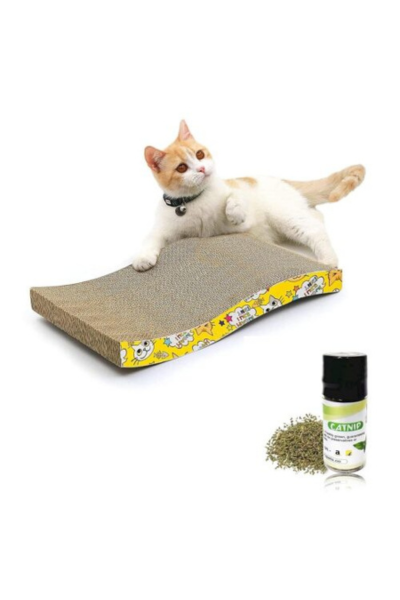
best 1 cat playing toys emily pets
₹399.00Original price was: ₹399.00.₹299.00Current price is: ₹299.00. -
Sale!
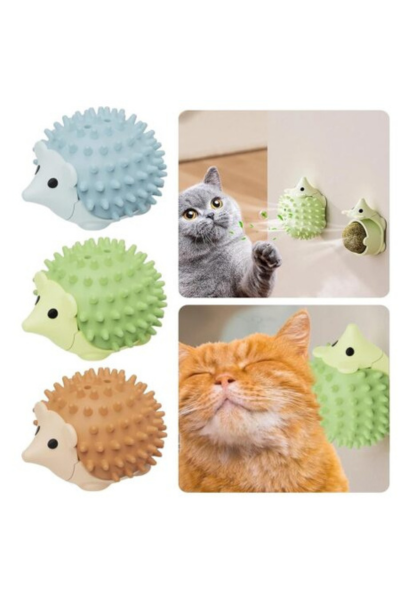
Best 1 mouse for cat Catnip Toy Sunkizzrs
₹1,000.00Original price was: ₹1,000.00.₹299.00Current price is: ₹299.00. -
Sale!
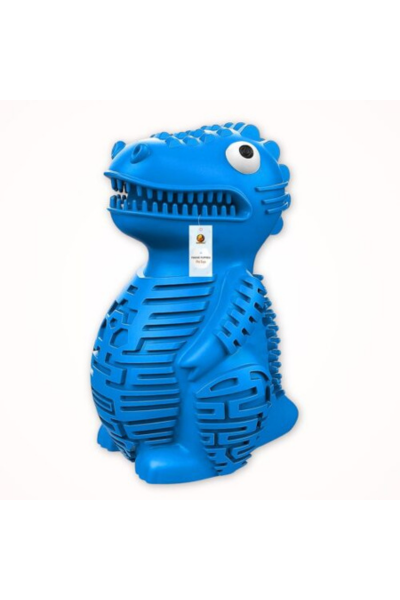
Best 20 indestructible dog toys Foodie Puppies Natural Rubber Dog Chew toy
₹499.00Original price was: ₹499.00.₹399.00Current price is: ₹399.00. -
Sale!
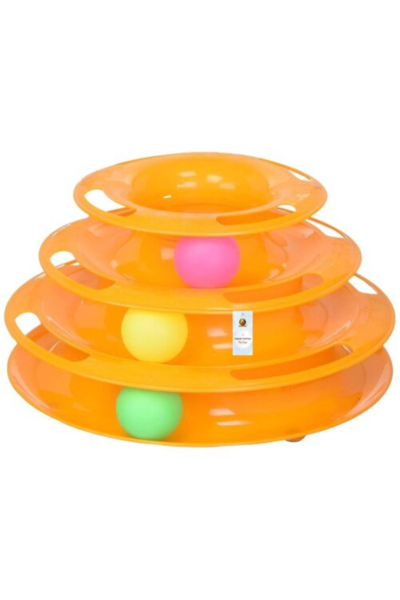
10 best cat play toys Foodie Puppies
₹999.00Original price was: ₹999.00.₹299.00Current price is: ₹299.00.
Reviews
There are no reviews yet.