
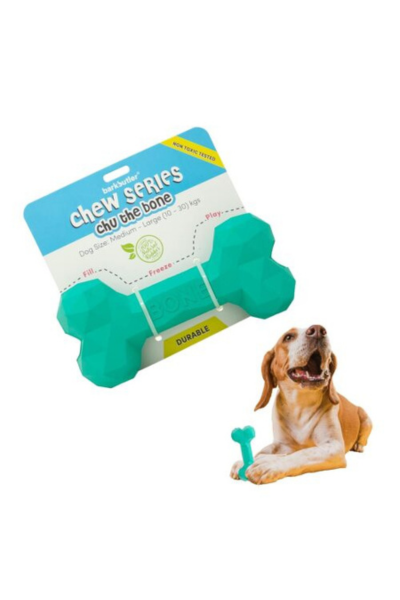
Description
| Pet toy type | Chew Toy |
| Theme | Animals |
| Breed Recommendation | Medium – Large (10 – 30kgs) |
| Brand | BarkButler |
| Recommended Uses For Product | Chew, Treat Dispensing, Fetch, Play |
| Cartoon Character | Chew |
| Indoor/Outdoor Usage | Indoor |
| Colour | Green |
| Material | Natural Rubber |
| Pattern | Green |
The toy poodle dog is one of the most charming, intelligent, and elegant breeds in the canine world. Loved for its small size, adorable appearance, and highly trainable nature, this little dog has captured the hearts of pet parents all around the globe. Despite its petite build, the toy poodle dog is full of energy, personality, and affection, making it a wonderful companion for families, singles, and seniors alike.
One of the first things people notice about the toy poodle dog is its beautiful, curly coat. This coat is unique because it is low-shedding and considered hypoallergenic, making the toy poodle dog a great choice for people who suffer from allergies. The coat can be styled in a variety of ways, from simple puppy cuts to elaborate show styles, giving owners flexibility and fun in grooming. Regular grooming is essential, though, because the curls can become matted if not cared for properly.
Beyond looks, the toy poodle dog is known for its intelligence. Ranked as one of the smartest dog breeds in the world, these dogs learn quickly and enjoy mental stimulation. Training a toy poodle dog is usually a rewarding experience, as they respond well to positive reinforcement and love to please their owners. From basic obedience to complex tricks, the toy poodle dog excels in learning new commands and often enjoys performing them with pride.
Their personality is another reason why the toy poodle dog is such a beloved breed. They are affectionate, playful, and social, often forming strong bonds with their human families. A toy poodle dog is just as happy snuggling on the couch as it is going for a brisk walk or a game of fetch. Because of their small size, they adapt well to apartment living, but they still require daily exercise to stay healthy and happy.
The toy poodle dog is also known for being alert and protective, despite its tiny frame. They may bark to alert their owners when strangers are near, making them excellent little watchdogs. However, with proper training and socialization, they can be friendly with guests, children, and other pets.
Health-wise, the toy poodle dog is generally a robust and long-lived breed, with an average lifespan of 12 to 15 years or more. Like all breeds, they can be prone to certain genetic conditions, but with good care, regular vet visits, and a balanced diet, they remain active and lively well into their senior years.
Because of their intelligence and people-pleasing nature, the toy poodle dog also participates in dog sports, agility competitions, and even therapy work. Their versatility makes them more than just lap dogs—they thrive when given challenges and opportunities to learn.
Overall, the toy poodle dog is a delightful companion that combines elegance, brains, and love in one small package. Whether you are looking for a loyal family pet, an entertaining little performer, or simply a loving friend, the toy poodle dog has all the qualities to fit perfectly into your life.
The toy poodle dog is often described as a little package filled with elegance, intelligence, and joy. Despite being the smallest of the poodle varieties, the toy poodle dog carries the same proud carriage, lively spirit, and sharp mind as its larger counterparts, the miniature and standard poodle. This combination of beauty and brains has made the breed a favorite among dog lovers for centuries.
When it comes to appearance, the toy poodle dog is instantly recognizable with its dense, curly coat and graceful build. Standing about 9–11 inches tall and weighing around 6–9 pounds, it is small but not fragile. Many owners choose to keep the toy poodle dog in a manageable “puppy cut” that keeps grooming simple, while others prefer the more elaborate show trims that highlight the breed’s refined elegance. Either way, the unique coat of the toy poodle dog adds to its charm and requires regular care.
Historically, the poodle was bred as a water retriever, and even though the toy poodle dog is far too small for such work today, it has inherited the same athletic build and love for activity. Many people are surprised to discover that the toy poodle dog enjoys running, swimming, and playing games just as much as larger breeds. This is why daily walks and interactive play are essential to keeping the toy poodle dog physically and mentally satisfied.
Intelligence is one of the hallmarks of the toy poodle dog. These dogs rank among the top breeds for problem-solving and trainability. They pick up new commands quickly and enjoy learning, which makes them excellent candidates for obedience training, agility competitions, and even service or therapy work. A well-trained toy poodle dog thrives on mental stimulation, so puzzle toys, games, and consistent training sessions are highly beneficial.
The affectionate nature of the toy poodle dog makes it a wonderful family pet. They bond strongly with their owners and often become little “shadows,” following family members from room to room. A toy poodle dog loves to be included in daily activities, whether that means relaxing on the sofa, going for a ride in the car, or greeting visitors at the door. Because of their strong desire for companionship, they do not like being left alone for long periods and can develop separation anxiety if ignored.
Socialization is an important part of raising a well-balanced toy poodle dog. While naturally alert and protective, they can become overly cautious or bark excessively without proper training. Introducing them to new people, places, and other animals at a young age helps the toy poodle dog grow into a friendly and confident adult.
One of the main reasons the toy poodle dog is so popular is its hypoallergenic coat. Although no dog is 100% allergy-free, the coat of the toy poodle dog produces less dander than most breeds, making it a top choice for allergy sufferers. This feature has also made the toy poodle dog a popular choice for crossbreeding, resulting in other well-loved breeds like the Maltipoo and Yorkipoo.
Health and care are also important considerations. The toy poodle dog has a long lifespan, often living well into its mid-to-late teens with proper care. While they are generally healthy, some may be prone to genetic conditions such as patellar luxation, dental issues, or eye problems. Regular veterinary checkups, dental cleanings, and a high-quality diet help ensure that the toy poodle dog remains active and happy throughout its life.
Diet plays a significant role in maintaining the energy and vitality of the toy poodle dog. Because of their small size, they need nutrient-dense food that supports their active lifestyle without leading to weight gain. Pet owners should pay attention to portion control, as the toy poodle dog can easily become overweight if overfed or not exercised properly.
In terms of personality, the toy poodle dog is both playful and dignified. They have bursts of energy and silliness but also enjoy quiet moments of calm. This balance makes them versatile companions, fitting into many different types of households. Whether you’re a young professional, a family with children, or a senior looking for a devoted friend, the toy poodle dog adapts beautifully.
The breed also stands out in canine history. Poodles originated in Europe, with their roots in France and Germany, and they were once the favorite dogs of nobles and royalty. The toy poodle dog, in particular, became popular as a lap dog in aristocratic households, where its intelligence, charm, and beauty made it the perfect companion. Today, the same qualities continue to endear the toy poodle dog to modern families.
Fun facts also make the toy poodle dog even more interesting. For example, their coat comes in a wide variety of colors, including white, black, apricot, red, cream, silver, and chocolate. The coat of the toy poodle dog is not only beautiful but also versatile, as it can be styled in endless creative ways. Groomers often enjoy working with this breed because the curls allow for unique trims and styles.
In daily life, the toy poodle dog is happiest when it has structure and attention. They thrive on routine and enjoy having consistent mealtimes, walks, and play sessions. Owners who provide mental stimulation and affectionate care often find that their toy poodle dog becomes an inseparable part of the family.
The toy poodle dog is a breed that combines elegance, intelligence, and a loving temperament, making it a perfect companion for a wide range of households. Despite its small stature, the toy poodle dog is full of energy and personality, proving that great things come in small packages. This breed is ideal for people looking for a dog that is affectionate, trainable, and playful.
Grooming is one of the most important aspects of caring for a toy poodle dog. Their curly coat, while beautiful, requires regular attention to prevent mats and tangles. Many owners schedule weekly brushing sessions and professional grooming every 4–6 weeks. A well-groomed toy poodle dog not only looks elegant but also stays comfortable, healthy, and happy.
The toy poodle dog is highly intelligent, ranking among the smartest dog breeds in the world. This intelligence makes them quick learners, eager to please, and easy to train. Training a toy poodle dog can be fun and rewarding, especially when using positive reinforcement techniques. They excel in obedience classes, agility competitions, and even in learning tricks that entertain the whole family.
Socialization is crucial for a toy poodle dog. Early exposure to other dogs, pets, and new environments helps prevent fearfulness or aggression in adult life. A well-socialized toy poodle dog is friendly, confident, and adaptable, making it a wonderful addition to families, singles, or seniors.
Exercise is another key component of a happy toy poodle dog. While they are small, these dogs have plenty of energy and benefit from daily walks, playtime, and interactive games. Activities like fetch, puzzle toys, and agility courses are great ways to keep a toy poodle dog physically fit and mentally stimulated.
Diet and nutrition play an important role in maintaining the health of a toy poodle dog. They require a balanced diet that supports their energy levels, healthy coat, and long-term well-being. Owners should feed high-quality dog food in appropriate portions, avoiding overfeeding to prevent weight gain. Treats can be included but should be given in moderation to keep the toy poodle dog healthy and active.
The toy poodle dog is known for its affectionate nature. These dogs love to be with their families, often following them around the house and snuggling whenever possible. Their affectionate demeanor makes the toy poodle dog an ideal lapdog, bringing comfort, companionship, and joy to their owners every day.
One of the standout features of the toy poodle dog is its hypoallergenic coat. Unlike many other breeds, the toy poodle dog sheds very little, making it suitable for households with allergy-sensitive members. This low-shedding feature, combined with regular grooming, helps maintain a clean home while keeping the toy poodle dog comfortable.
Health care is critical for the longevity of a toy pdog. Regular veterinary visits, vaccinations, and preventive care ensure that the toy poodle dog remains in top condition. Like all breeds, the toy dog can be prone to genetic health issues such as patellar luxation, dental problems, and eye disorders. Early detection and proper care help manage these risks effectively.
Training the toy dog is a rewarding experience due to their high intelligence. They respond well to consistent commands, positive reinforcement, and engaging activities. Training a toy dog not only teaches good behavior but also strengthens the bond between dog and owner, creating a loyal, responsive, and happy companion.
The toy dog thrives on mental stimulation. Toys, puzzles, and games keep them engaged and prevent boredom. A bored toy dog may develop undesirable behaviors, so interactive toys and daily engagement are key to maintaining a happy and well-adjusted pet.
For families with children, the toy dog can be an excellent choice. They are gentle, playful, and affectionate, enjoying games and cuddles with kids. Early supervision and teaching children how to interact respectfully ensure a harmonious relationship with the toy dog.
Traveling with a toy dog is generally easy due to their small size. They can comfortably ride in carriers, car seats, or even on laps during short trips. Their friendly personality often makes them popular wherever they go, and a well-trained toy dog adapts quickly to new environments.
The toy poodle dog has a rich history, tracing back to Europe, particularly France and Germany, where poodles were prized for their intelligence, trainability, and beauty. The toy dog was bred as a smaller companion, perfect for aristocrats and families seeking a loyal and elegant pet.
Personality-wise, the toy dog balances energy with grace. They can be playful and lively when engaged, yet calm and cuddly during quiet times. Their versatility allows the toy dog to fit well in both active households and more relaxed environments.
The toy dog thrives on routine, which helps them feel secure and reduces anxiety. A consistent schedule for feeding, walks, playtime, and rest ensures that your toy dog remains happy, well-behaved, and healthy. Many owners find that their toy dog quickly adapts to daily routines, making household management easier.
Socialization is essential for a toy dog to develop into a confident and well-adjusted pet. Introducing your toy dog to new people, pets, sounds, and environments from an early age helps prevent fearfulness or aggression. A properly socialized toy dog is friendly, approachable, and enjoys interacting with both humans and other animals.
The intelligence of the toy dog makes it an excellent candidate for training in various activities. From basic commands like “sit” and “stay” to advanced tricks and agility training, the toy dog learns quickly and thrives when mentally stimulated. Puzzle toys and interactive games are also highly effective for keeping a toy dog engaged.
A well-groomed toy dog not only looks beautiful but also feels comfortable and healthy. Regular brushing prevents tangles, mats, and skin irritations. Bathing, nail trimming, and ear cleaning are also important parts of grooming a toy dog to maintain hygiene and overall well-being. Many owners choose professional grooming for their toy dog, especially if they prefer elaborate trims or show styles.
Exercise is vital for a toy dog despite its small size. Daily walks, short runs, or indoor games like fetch and hide-and-seek provide the physical activity needed to keep your toy dog fit and mentally alert. Interactive toys and playtime with family members help channel the energy of a toy dog positively, reducing the risk of behavioral problems.
About this item
- Durable dog chew toy that is gentle on teeth and gums and is easy to clean.
- Vanilla scented, treat-dispensing toy that holds food and treats like jerkies, peanut butter, and dahi inside. Freeze for maximum playtime.
- Made from 100% natural rubber.
- Ideal for medium-large dogs (10-30kgs).
- For Strong Chewer – These toys are designed to be more durable than most toys. Not recommended for extremely aggressive chewers.
Be the first to review “best 5 toy poodle dog the Bone Dog Toy” Cancel reply
Related products
-
Sale!
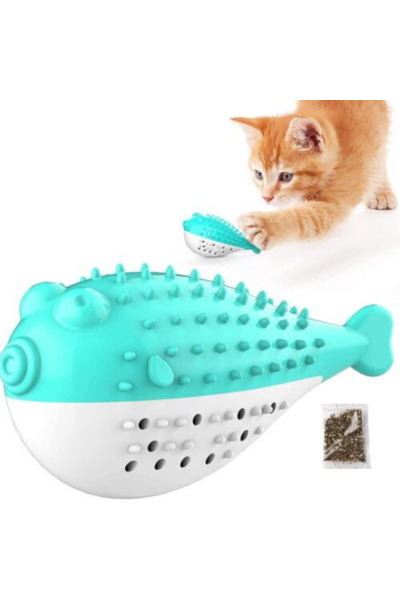
20 Fun catnip toys for cats Emily Pets Playing Feeding Toy
₹699.00Original price was: ₹699.00.₹615.00Current price is: ₹615.00. -
Sale!
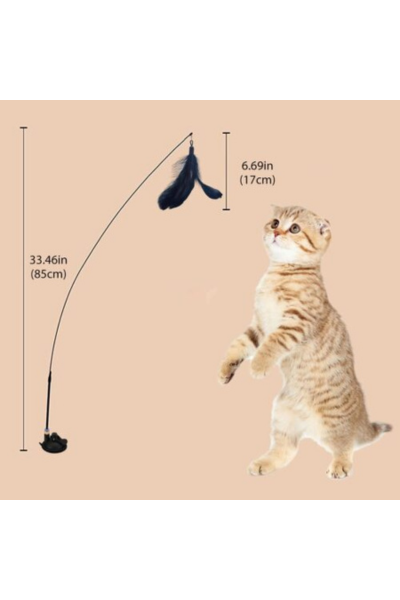
Best 1 trap the cat game teaser wand
₹599.00Original price was: ₹599.00.₹297.00Current price is: ₹297.00. -
Sale!
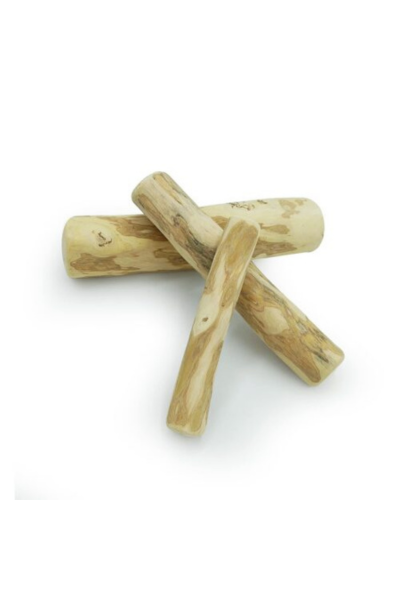
Best 1 dog chew toys Coffee Wood Combo
₹500.00Original price was: ₹500.00.₹299.00Current price is: ₹299.00. -
Sale!
Best 20 tidy cat litter Pawzone
₹999.00Original price was: ₹999.00.₹279.00Current price is: ₹279.00.
Reviews
There are no reviews yet.