
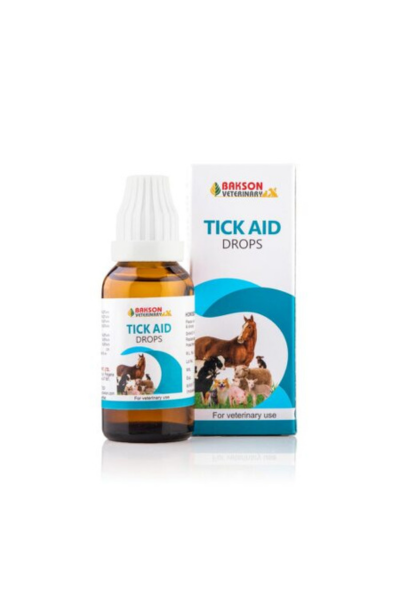
best 1 tick medicine for puppie Aid Drops
Original price was: ₹250.00.₹190.00Current price is: ₹190.00.
Description
The Bakson Veterinary Tick Aid Drops are designed to relieve pets from parasitic infestations, including ticks, fleas, and lice. The drops are intended for internal use only and should be mixed with water and administered orally. The dosage varies depending on the size of the animal, with small animals requiring 10-15 drops three times a day and large animals needing 15-20 drops three times a day.
Tick Medicine for Puppies – Complete Protection Against Ticks and Fleas
Puppies are naturally curious and full of energy, exploring every corner of your home and yard. While their curiosity is adorable, it also exposes them to dangerous parasites like ticks and fleas. Using tick medicine for puppies is not just a precaution—it’s an essential step in ensuring your puppy stays healthy, active, and happy.
Tick infestations can cause a range of health problems in young dogs, from skin irritation and itching to life-threatening diseases like Lyme disease, babesiosis, and ehrlichiosis. Puppies are particularly vulnerable because their immune systems are still developing, making tick medicine for puppies critical from an early age.
Why Puppies Need Tick Medicine
Puppies are more susceptible to ticks due to their thin, sensitive skin, high levels of activity, and natural curiosity. Even a single tick can attach and feed on a puppy for days, causing discomfort and increasing the risk of infection. Regular use of tick medicine for puppies helps prevent:
-
Anemia and blood loss caused by tick feeding
-
Skin infections from scratching or bite wounds
-
Serious vector-borne diseases
-
Rapid tick population growth in the home
By administering tick medicine for puppies, pet parents can protect their furry companions from both immediate discomfort and long-term health issues.
Forms of Tick Medicine for Puppies
High-quality tick medicine for puppies comes in various forms to suit your pet’s needs:
-
Topical Spot-On Treatments
-
Applied to the puppy’s skin, usually at the back of the neck
-
Rapidly spreads through skin oils, protecting the entire body
-
-
Oral Chewables
-
Flavored tablets that puppies can enjoy as a treat
-
Work systemically to kill ticks and fleas from the inside
-
-
Sprays
-
Can be applied directly to fur and bedding for environmental control
-
Quick, easy, and effective for active puppies
-
-
Collars
-
Provide long-term protection (up to 6–8 months)
-
Ideal for puppies that spend a lot of time outdoors
-
Each of these options ensures that tick medicine for puppies can be administered safely and conveniently, giving you peace of mind while keeping your puppy comfortable.
Key Benefits of Tick Medicine for Puppies
-
Eliminates Ticks and Fleas
-
Rapidly kills parasites at all life stages
-
Prevents re-infestation
-
-
Prevents Tick-Borne Diseases
-
Reduces the risk of Lyme disease, ehrlichiosis, and other infections
-
-
Supports Skin Health
-
Reduces itching, redness, and irritation caused by tick bites
-
-
Improves Comfort and Happiness
-
Puppies can play freely without discomfort
-
Less scratching and biting means a calmer, happier puppy
-
-
Easy and Safe Application
-
Designed specifically for puppies’ sensitive skin
-
Minimal stress during administration
-
Using tick medicine for puppies regularly is one of the simplest ways to protect your pet from unnecessary pain, irritation, and serious illness.
Dosage and Administration
The dosage of tick medicine for puppies depends on the product type and the puppy’s weight. Always follow the manufacturer’s instructions and consult your veterinarian for guidance.
-
Topical Treatments: Apply directly to the skin as indicated on the package. Avoid bathing for 24–48 hours after application to ensure maximum effectiveness.
-
Oral Chewables: Administer once daily, weekly, or monthly depending on the specific product.
-
Sprays and Collars: Use as directed, ensuring full coverage of fur and skin.
Consistent use of tick medicine for puppies ensures continuous protection, reducing the risk of infestations and tick-borne diseases.
Safety and Precautions
While tick medicine for puppies is generally safe, some precautions are important:
-
Use products labeled specifically for puppies; adult formulations may be too strong.
-
Monitor your puppy after first use for any signs of sensitivity or allergic reactions.
-
Store tick medicine in a cool, dry place, away from children and other pets.
-
Avoid overuse; follow the recommended schedule for each product type.
By following these guidelines, tick medicine for puppies can be both safe and highly effective.
Tips for Maximizing Effectiveness
-
Regular Checks: Inspect your puppy’s fur and skin weekly for ticks or irritation.
-
Maintain Clean Spaces: Regularly clean bedding and play areas to reduce environmental ticks.
-
Combine Protection: Use tick medicine for puppies alongside flea prevention for comprehensive parasite control.
-
Healthy Diet: A well-balanced diet supports your puppy’s immune system, enhancing the effectiveness of tick medicine.
ick Medicine for Puppies – Extended Guide for Complete Parasite Protection
Understanding the Threat of Ticks for Puppies
Puppies are naturally active and inquisitive, exploring grass, soil, bushes, and parks. While this helps them learn and develop, it exposes them to tiny, dangerous parasites—especially ticks. These parasites are more than a nuisance; they are vectors for serious diseases such as:
-
Lyme disease
-
Ehrlichiosis
-
Babesiosis
-
Anaplasmosis
Because puppies have underdeveloped immune systems, even minor tick infestations can escalate into severe health problems. Using tick medicine for puppies ensures that these parasites are eliminated before they can cause harm.
Why Regular Tick Protection is Vital
Ticks attach to your puppy’s skin and feed on their blood. This can lead to:
-
Anemia from blood loss
-
Skin irritation and infection
-
Pain and discomfort that affect mood and playfulness
-
Transmission of dangerous pathogens
Puppies cannot scratch or groom effectively like adult dogs, so early prevention through tick medicine for puppies is essential. Even one missed treatment can allow ticks to multiply and infest your home.
How Tick Medicine for Puppies Works
High-quality tick medicines are formulated to target ticks at every stage of life: larvae, nymphs, and adults. Depending on the type, tick medicine for puppies may:
-
Kill ticks on contact (topical sprays)
-
Kill ticks after they bite (oral tablets and chews)
-
Prevent new ticks from attaching (long-acting collars)
The goal is complete parasite control, reducing irritation and preventing the spread of tick-borne diseases.
Types of Tick Medicine for Puppies
1. Topical Spot-On Treatments
-
Applied to a small area of skin, usually between the shoulder blades.
-
Spreads naturally through oils in the skin to cover the entire body.
2. Oral Chewables
-
Tasty, easy-to-administer treats
-
Work from the inside out to eliminate ticks and prevent infestations
3. Sprays
-
Ideal for quick coverage, including bedding and play areas
-
Effective for puppies who play outdoors frequently
4. Collars
-
Long-lasting protection, often up to 6–8 months
-
Continuous release of active ingredients prevents ticks from attaching
Key Benefits of Tick Medicine for Puppies
-
Immediate Tick and Flea Elimination – Kills parasites on contact or shortly after ingestion
-
Prevents Tick-Borne Diseases – Reduces risks of serious infections in puppies
-
Supports Skin Health – Reduces itching, redness, and hair loss from tick bites
-
Improves Puppy Comfort – Less scratching and biting keeps puppies calm and happy
-
Convenient and Safe Application – Designed specifically for sensitive puppy skin
Preventive Measures Alongside Tick Medicine
Using tick medicine for puppies is most effective when combined with preventive measures:
-
Regular Grooming – Brushing helps detect ticks early
-
Clean Living Areas – Wash bedding and vacuum floors to eliminate ticks and eggs
-
Outdoor Precautions – Avoid tall grasses or brushy areas where ticks are prevalent
-
Routine Vet Checkups – Early detection of any tick-related illness
Dosage and Administration Guidelines
Proper dosage ensures maximum effectiveness of tick medicine for puppies.
-
Topical Treatments: Apply directly to the skin as instructed; avoid bathing for 24–48 hours afterward
-
Oral Chewables: Administer based on weight; follow package instructions for frequency
-
Sprays and Collars: Use according to product guidance for continuous protection
Consistency is key. Regular application prevents infestations and protects your puppy’s health.
Safety and Precautions
Even safe tick medicines require careful use:
-
Only use products labeled for puppies; adult formulations may be too strong
-
Monitor your puppy for allergic reactions after first use
-
Store medicines in a cool, dry place
-
Avoid overuse; follow recommended schedules
Tick Medicine for Puppies – Comprehensive Guide for Optimal Parasite Protection
Why Puppies Are Especially Vulnerable to Ticks
Puppies are naturally playful, curious, and energetic. They explore every corner of your home, yard, and outdoor environments, which exposes them to ticks and other parasites. Unlike adult dogs, puppies have:
-
Delicate, sensitive skin that can be easily irritated
-
Immature immune systems that struggle to fight infections
-
High activity levels that increase exposure to parasite habitats
Even a single tick bite can lead to serious health issues, including anemia, skin infections, and transmission of vector-borne diseases. Using tick medicine for puppies ensures that these tiny threats are eliminated before they can harm your puppy.
How Ticks Affect Puppies
Ticks are not just irritants; they are carriers of potentially life-threatening diseases. Common effects of tick infestations in puppies include:
-
Itching and skin irritation – Leads to scratching, hair loss, and discomfort
-
Blood loss – Severe infestations can cause anemia
-
Vector-borne diseases – Lyme disease, babesiosis, ehrlichiosis, and anaplasmosis
-
Behavioral changes – Lethargy, reduced playfulness, and irritability
-
Secondary infections – From constant scratching or open wounds
Regular use of tick medicine for puppies can prevent these complications, allowing your puppy to grow healthy and active.
Types of Tick Medicine for Puppies
Tick medicines come in different forms, each designed for convenience, effectiveness, and puppy safety:
1. Topical Spot-On Treatments
-
Applied directly to the skin, usually between the shoulder blades
-
Spreads through natural skin oils to cover the whole body
-
Provides protection for weeks, killing ticks on contact
2. Oral Chewables
-
Flavored tablets or treats that puppies enjoy
-
Work internally to eliminate ticks after they bite
-
Provide consistent systemic protection
3. Sprays
-
Can be applied directly to fur, paws, and bedding
-
Quick, effective, and ideal for active puppies
-
Helps control environmental infestations
4. Collars
-
Long-term protection, often 6–8 months
-
Slowly releases active ingredients to prevent ticks from attaching
Using the right tick medicine for puppies ensures comprehensive coverage for your puppy’s skin, coat, and overall health.
Benefits of Tick Medicine for Puppies
-
Kills Ticks at All Stages – From larvae to adults
-
Prevents Tick-Borne Diseases – Reduces risks of Lyme disease, ehrlichiosis, and babesiosis
-
Promotes Healthy Skin and Coat – Reduces itching, redness, and hair loss
-
Enhances Puppy Comfort – Allows free play without irritation
-
Safe and Easy to Administer – Formulated specifically for puppies’ delicate skin
How Tick Medicine Protects Puppies Biologically
-
Eliminates Parasites – Kills ticks and fleas rapidly
-
Prevents Reproduction – Stops eggs and larvae from developing
-
Reduces Disease Transmission – Quickly kills ticks to prevent pathogen spread
-
Protects Against Re-Infestation – Creates a barrier on the skin or bloodstream
Preventive Measures Alongside Tick Medicine
Using tick medicine for puppies is most effective when combined with other preventive measures:
-
Regular Grooming – Weekly brushing to detect early infestations
-
Clean Living Spaces – Wash bedding, vacuum floors, and maintain hygiene
-
Avoid High-Risk Areas – Tall grass, leaf piles, and areas with wildlife
-
Routine Vet Visits – Early detection of tick-borne illnesses
-
Seasonal Awareness – Increase vigilance during spring and summer
Dosage and Administration Guidelines
-
Topical Spot-On: Apply directly to skin; avoid bathing for 24–48 hours
-
Oral Chewables: Administer according to weight; follow instructions precisely
-
Sprays and Collars: Use as directed for continuous protection
Consistency is key. Regular application ensures your puppy stays free of ticks all year.
Tick Medicine for Puppies – Complete Guide for Health, Comfort, and Protection
Seasonal Tick Prevention for Puppies
Ticks are more active during certain times of the year, and adjusting protection strategies ensures your puppy stays safe year-round.
Spring and Summer
-
Peak tick season in most regions
-
Puppies spend more time outdoors exploring parks, grass, and wooded areas
-
Use tick medicine for puppies consistently, and check fur after every outdoor activity
Autumn
-
Ticks remain active in mild weather
-
Continue preventive treatments
-
Clean yards and remove leaf piles where ticks may hide
Winter
-
Ticks are less active, but some species survive indoors and in warm climates
-
Maintain regular use of tick medicine for puppies, especially in temperate regions
Tip: Year-round prevention ensures your puppy remains free of infestations, no matter the season.
Breed-Specific Recommendations for Tick Protection
Different breeds may have different risks and sensitivities. Using tick medicine for puppies suited for your puppy’s breed maximizes safety and effectiveness.
Small Breeds (Chihuahuas, Pugs, Shih Tzus)
-
Sensitive skin and lighter body weight
-
Use gentle, vet-approved topical or oral treatments
-
Collars may need to be adjustable or avoided in very small puppies
Medium Breeds (Beagles, Bulldogs, Cocker Spaniels)
-
Active explorers, moderate exposure to outdoor ticks
-
Topical treatments or monthly oral chewables recommended
-
Monitor skin reaction during first applications
Large Breeds (Labradors, Golden Retrievers, German Shepherds)
-
High activity, frequent outdoor exposure
-
Oral chewables or spot-on treatments work well
-
Consider collars for long-term outdoor protection
Giant Breeds (Great Danes, Saint Bernards)
-
Strong immune systems but heavy body mass requires correct dosing
-
Topical spot-on treatments may require higher doses or split application
-
Oral chewables should match weight specifications
Common Questions About Tick Medicine for Puppies
Q1: Can puppies take tick medicine safely?
Yes, provided the product is specifically formulated for puppies.
Q2: How often should tick medicine be applied?
Depending on the product: monthly, bi-monthly, or every 6–8 months (collars).
Q3: Will tick medicine prevent all tick-borne diseases?
It significantly reduces risk but does not guarantee 100% prevention.
Q4: Can I use the same product for adult dogs and puppies?
Not recommended; puppy formulations are gentler.
Q5: What if my puppy ingests part of a topical treatment?
Monitor for vomiting or diarrhea and consult a vet immediately.
Q6: Are oral chewables safe for small-breed puppies?
Yes, ensure the dose matches the puppy’s weight.
Real-Life Puppy Testimonials
Bella, 4 months old:
“Since using tick medicine for puppies, Bella no longer scratches constantly after outdoor play. She’s happier and more energetic.”
Max, 6 months old:
“Our vet recommended tick medicine for puppies, and Max has stayed tick-free even during long walks in the park. Peace of mind is priceless!”
Luna, 3 months old:
“Topical tick medicine for puppies was easy to apply, and Luna didn’t even notice it. No more itching or discomfort!”
Charlie, 5-month-old Labrador:
“Using tick medicine for puppies, Charlie stayed tick-free throughout the summer. He runs and plays without us worrying about parasites.”
Milo, 4-month-old Beagle:
“Our vet recommended tick medicine for puppies, and Milo hasn’t had a single tick bite. He’s energetic and healthy.”
Daisy, 3-month-old German Shepherd:
“The topical tick medicine for puppies was easy to apply. Daisy didn’t even notice it, and her coat is shiny and itch-free.”
Bella, 6-month-old Pug:
“With oral tick medicine for puppies, Bella stayed comfortable during our forest walks. No ticks, no irritation.”
Max, 5-month-old Golden Retriever:
“Regular use of tick medicine for puppies kept Max protected all year. He’s playful and energetic without scratching or discomfort.”
Conclusion
Tick infestations are not only uncomfortable but potentially dangerous for puppies. Regular use of tick medicine for puppies ensures your furry companion is protected from both parasites and the diseases they carry. By choosing the right product, following the correct dosage, and combining it with proper hygiene and care, you can give your puppy a happy, healthy, and active life.
Protect your puppy today—because a parasite-free puppy is a playful, healthy puppy. Tick medicine for puppies is the first step toward ensuring long-term health and comfort for your beloved companion.

Reviews
There are no reviews yet.