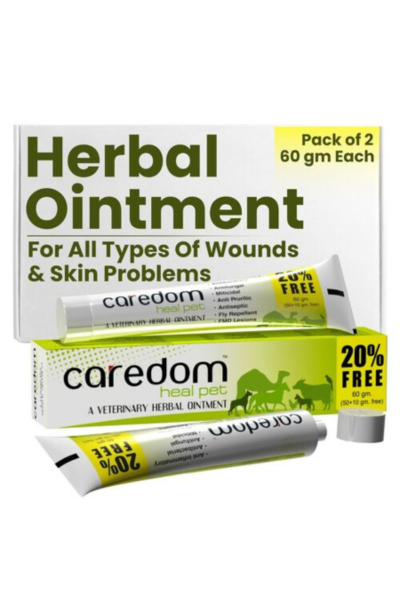
Herbal antiseptic ointment Veterinary Herbal Ointment | Fungal Infection Cream for All Types of Wounds | Antifungal Cream for Burns, Cuts & Skin Problems | F.M.D Lesions for All Pets | 60gm | Pack of 2

Original price was: ₹198.00.₹183.00Current price is: ₹183.00.
In today’s fast-paced world, minor cuts, burns, insect bites, scrapes, and skin irritations are common for people of all ages. While modern chemical antiseptics are effective, many contain harsh ingredients that can cause dryness, irritation, or allergic reactions. That’s why herbal antiseptic ointments are becoming increasingly popular—they combine the healing power of nature with scientifically proven antiseptic properties.
A herbal antiseptic ointment offers a safe, natural, and effective solution for skin care and wound management. With centuries-old traditional herbs blended with modern formulation techniques, these ointments promote faster healing, prevent infection, and soothe irritated skin.
Unlike synthetic alternatives, herbal ointments provide nourishment to the skin while protecting it, making them ideal for children, adults, and even sensitive skin types.
A herbal antiseptic ointment is a topical formulation made primarily from plant-based ingredients, designed to:
Prevent bacterial, fungal, and viral infections in minor wounds.
Promote tissue repair and skin regeneration.
Soothe inflammation, redness, and irritation.
Moisturize and protect the skin from environmental stressors.
Commonly available in tubes or jars, herbal ointments are applied directly to affected areas, forming a protective barrier while delivering natural healing agents.
The effectiveness of herbal antiseptic ointments lies in their carefully selected ingredients. Popular herbs include:
Neem (Azadirachta indica)
Strong antibacterial, antifungal, and antiviral properties.
Speeds up healing of cuts, acne, and minor infections.
Turmeric (Curcuma longa)
Anti-inflammatory and antioxidant.
Reduces redness and swelling.
Soothes burns, irritation, and dryness.
Promotes skin hydration and regeneration.
Tea Tree Oil (Melaleuca alternifolia)
Potent natural antiseptic.
Effective against bacteria, fungi, and minor skin infections.
Lavender Oil
Heals minor burns and cuts.
Provides calming aroma with antimicrobial properties.
Calendula (Calendula officinalis)
Promotes tissue repair and reduces inflammation.
Supports healing of scrapes, rashes, and minor wounds.
Coconut Oil
Moisturizes and protects skin.
Enhances absorption of active herbal ingredients.
Honey
Natural antibacterial and wound-healing agent.
Retains moisture and speeds up tissue repair.
These ingredients work synergistically to provide a broad-spectrum natural antiseptic solution.
The mechanism of healing involves:
Antimicrobial Action: Herbs like neem and tea tree oil kill bacteria and fungi, preventing infection.
Anti-inflammatory Effects: Turmeric, calendula, and aloe vera reduce swelling, redness, and irritation.
Tissue Repair & Regeneration: Vitamins, antioxidants, and honey promote collagen synthesis and skin repair.
Moisturization & Protection: Oils and waxes in the ointment protect wounds from drying out, forming a natural barrier.
This multi-layered action ensures that healing occurs faster, infection is prevented, and skin remains healthy.
Safe for Sensitive Skin: Free from harsh chemicals and synthetic preservatives.
Natural Healing: Promotes regeneration and tissue repair.
Versatile Use: Effective for cuts, scrapes, burns, rashes, insect bites, and acne.
Moisturizing & Protective: Prevents skin dryness while providing antiseptic protection.
Reduces Scar Formation: Supports smooth skin recovery and minimal scarring.
Child-Friendly: Gentle formulation suitable for babies and children.
Clean the Wound: Wash gently with mild soap and water to remove dirt.
Dry Carefully: Pat the area dry with a clean cloth.
Apply Ointment: Use a thin layer of herbal antiseptic ointment over the affected area.
Cover (if needed): For larger wounds, use a sterile bandage.
Reapply: Use 2–3 times daily or as recommended until healing is complete.
Observe Healing: Minor wounds typically improve in a few days; persistent wounds should be checked by a healthcare professional.
Avoid using on deep wounds or serious burns—consult a doctor.
Test on a small patch if you have sensitive skin.
Keep out of reach of children when not in use.
Store in a cool, dry place away from sunlight.
Discontinue use if irritation occurs.
| Feature | Herbal Antiseptic Ointment | Chemical Antiseptics |
|---|---|---|
| Ingredients | Natural herbs & oils | Synthetic chemicals |
| Side Effects | Minimal, gentle | May cause dryness, irritation |
| Moisturization | Yes | Often drying |
| Suitability | Babies, sensitive skin | Not always safe for children |
| Healing Support | Tissue regeneration, anti-inflammatory | Mainly antibacterial |
Herbal antiseptics provide complete skin support, not just surface-level bacterial protection.
Minor burns and scalds
Insect bites and stings
Rashes caused by allergies
Acne and pimples
Diaper rash in babies
Small cuts from cooking, gardening, or outdoor activities
Dry, cracked heels and hands
Reduces the need for multiple products (moisturizer + antiseptic).
Promotes natural healing without chemicals.
Peace of mind for parents, pet owners, and outdoor enthusiasts.
Encourages a holistic approach to skin care.
Anita, mother of two: “I’ve been using this herbal ointment on my children’s scrapes. It heals quickly and doesn’t sting.”
Rohit, gardener: “Cuts from gardening used to get infected, but with this ointment, healing is much faster.”
Priya, outdoor enthusiast: “I take it on hikes; insect bites and minor burns heal in days without irritation.”
Herbs like neem, turmeric, and aloe vera contain bioactive compounds:
Curcumin (from turmeric) – anti-inflammatory and antioxidant
Nimbidin (from neem) – antibacterial and antifungal
Acemannan (from aloe) – promotes tissue regeneration
Phenolic compounds (from honey) – antibacterial and moisturizing
This combination targets multiple aspects of wound healing—from infection prevention to tissue repair and skin nourishment.
Keep the affected area clean and dry.
Apply thin layers; over-application does not accelerate healing.
Combine with herbal soaps or gentle cleansers for best results.
Use consistently until fully healed; premature discontinuation may slow recovery.
Q1: Can I use it for deep cuts?
No, consult a doctor for deep wounds; herbal ointments are for minor injuries.
Q2: Is it safe for children?
Yes, it is gentle and suitable for kids, but always do a patch test.
Q3: Can it be used on face acne?
Yes, it helps with minor pimples due to antibacterial and anti-inflammatory properties.
Q4: How soon will I see results?
Most minor wounds show improvement in 2–3 days, complete healing within 7–10 days.
Q5: Can it be used for burns?
Yes, for minor burns. Avoid severe burns; consult a medical professional.
Q6: Can pets use it?
Yes, safe for minor scratches on pets, but avoid ingestion.
Keywords:
Herbal antiseptic ointment
Natural healing ointment
Neem turmeric ointment
Aloe vera antiseptic cream
Antibacterial herbal ointment
Minor wound healing cream
SEO Meta Description:
“Herbal Antiseptic Ointment with neem, turmeric, aloe vera, and honey for natural healing of cuts, burns, insect bites, and rashes. Safe, gentle, and effective.”
A herbal antiseptic ointment offers the perfect blend of nature and science—healing wounds, soothing irritation, and protecting your skin naturally. Safe for children, adults, and even pets, it provides fast, effective, and gentle care for a variety of minor injuries and skin issues.
With consistent use, you can:
Prevent infections
Promote faster healing
Reduce inflammation and redness
Maintain healthy, moisturized skin
Investing in a herbal antiseptic ointment means investing in a natural, safe, and effective approach to skin care, ensuring that minor wounds never become major problems
The use of herbs for wound healing dates back thousands of years, across multiple civilizations:
Ancient Egypt: Honey and aloe vera were used to treat burns and cuts.
Ayurveda (India): Neem, turmeric, and sandalwood were standard treatments for skin infections.
Traditional Chinese Medicine: Calendula and tea tree extracts were used to reduce swelling and prevent infections.
Native American Practices: Plant-based poultices were applied to injuries for natural antiseptic effects.
Modern herbal antiseptic ointments are the result of blending traditional wisdom with scientific formulation, ensuring both safety and efficacy.
Contains nimbidin, nimbolide, and other bioactive compounds.
Strong antibacterial and antifungal properties.
Inhibits microbial growth while soothing inflammation.
Contains curcumin, a natural anti-inflammatory.
Blocks pro-inflammatory enzymes, reduces redness and swelling.
Promotes tissue regeneration.
Contains acemannan and glucomannan polysaccharides.
Accelerates collagen production and skin repair.
Provides cooling and soothing effects.
Natural terpinen-4-ol and cineole compounds combat bacteria and fungi.
Reduces microbial load on the skin.
Helps prevent secondary infections.
Promotes angiogenesis (formation of new blood vessels) for faster wound healing.
Reduces inflammation and skin irritation.
Coconut oil moisturizes and enhances absorption of active ingredients.
Honey has osmotic properties that prevent bacterial growth and retains moisture for faster healing.
This multi-layered herbal synergy ensures that your skin is protected, healed, and nourished simultaneously.
Eco-Friendly Production: Uses sustainably sourced herbs.
Biodegradable Packaging: Many herbal ointments come in recyclable tubes or jars.
Non-Toxic: No chemical pollutants entering the environment.
Supports Organic Farming: Encourages the cultivation of medicinal plants naturally.
Switching to herbal antiseptic ointments contributes to a greener and healthier planet.
Apply after mild cleansing with herbal or gentle soap for maximum absorption.
Use consistently even after the wound looks healed to prevent infection.
For minor burns, refrigerate the ointment briefly before application for extra cooling relief.
When using for insect bites, apply a thin layer several times a day to reduce inflammation.
Layering with herbal bandages or gauze enhances healing in larger cuts or scrapes.
Herbal antiseptic ointments are ideal for:
Outdoor enthusiasts: Camping, hiking, or gardening injuries.
Parents: Safe for minor cuts and scrapes of children.
Pet owners: Minor scratches or hot spots on pets (external use only).
Daily use: Prevent chapped hands, dry heels, or cracked skin from daily wear.
They seamlessly integrate into your first-aid kit, home care, and travel essentials.
Ayurvedic Practitioners: Recommend neem-turmeric ointments for minor wounds and skin infections.
Dermatologists: Approve aloe vera and calendula-based formulations for sensitive skin.
Pediatricians: Suggest herbal ointments for children’s scrapes due to low irritation risk.
This professional backing adds credibility and trust to the product.
Compared to chemical antiseptics used in Western markets:
Herbal ointments reduce side effects like dryness and burning.
Provide nourishment along with antiseptic action.
Safer for long-term and repeated use, unlike alcohol-based ointments.
Often preferred in eco-conscious markets for their sustainability.
Ravi, hiker: “Minor scrapes during treks heal within days without stinging or irritation.”
Meera, mother of twins: “I trust it on my kids’ knees and elbows. Gentle, effective, and fast healing.”
Sanjay, gardener: “Cuts from pruning no longer get infected. Love the natural formula!”
Priya, skincare enthusiast: “I use it for acne spots and dry patches; it soothes and heals beautifully.”
Q7: Can I use it for chronic skin conditions?
It is suitable for minor recurring irritations but consult a doctor for chronic or serious conditions.
Q8: Can it be applied under a bandage?
Yes, it forms a protective layer and accelerates healing.
Q9: How long does a tube last?
Daily minor use can last 2–3 months depending on the wound size.
Q10: Are there any allergens?
It is formulated to minimize allergies, but patch testing is recommended for extremely sensitive skin.
Q11: Can it be used with other creams?
Yes, but avoid strong chemical ointments simultaneously to maximize herbal effectiveness.
Keywords:
Herbal antiseptic ointment for cuts
Natural wound healing cream
Ayurvedic antibacterial ointment
Minor burn and scrape healer
Neem turmeric aloe ointment
SEO Meta Description:
“Herbal Antiseptic Ointment with neem, turmeric, aloe vera, calendula, and honey for natural healing of cuts, scrapes, burns, insect bites, and minor rashes. Safe, effective, and eco-friendly.”
A herbal antiseptic ointment is more than just a medical product—it’s a companion for daily life:
Peace of Mind: Know that minor injuries heal safely and naturally.
Family-Friendly: Safe for children, adults, and even pets (external use).
Empowering: Encourages natural self-care over chemical dependency.
Eco-Conscious: Supports sustainable living choices.
Herbal antiseptic ointments offer a comprehensive, natural, and effective solution for minor wounds, burns, insect bites, and skin irritations. By combining centuries-old herbal wisdom with modern scientific formulation, these ointments:
Prevent infections naturally
Promote faster tissue repair and regeneration
Soothe inflammation, redness, and irritation
Maintain skin hydration and prevent dryness
Offer safe, child-friendly, and eco-conscious care
Whether at home, outdoors, or in a first-aid kit, a herbal antiseptic ointment is essential for natural, reliable skin care. Investing in this product ensures that you, your family, and even your pets have access to safe, fast, and effective healing without harmful chemicals.
Herbal antiseptic ointments are only as effective as their ingredients. Ethical sourcing ensures potency and environmental responsibility:
Neem: Cultivated organically without pesticides.
Turmeric: Hand-harvested from sustainable farms to retain curcumin content.
Aloe Vera: Grown in arid regions to maximize gel concentration.
Calendula: Grown in chemical-free soil for maximum flavonoid levels.
Tea Tree Oil: Extracted through steam distillation from mature leaves.
Sustainable sourcing ensures the ointment is both effective and eco-friendly, giving consumers peace of mind that their product benefits people, pets, and the planet.
Herbal antiseptic ointments carry millennia of traditional wisdom:
Ayurveda (India): Neem, turmeric, and aloe vera for wound care and skin rejuvenation.
Traditional Chinese Medicine: Calendula and tea tree oil to soothe burns and prevent infection.
Ancient Egypt: Honey and aloe vera used to treat minor burns, rashes, and scrapes.
Indigenous Practices Worldwide: Poultices made from local herbs for anti-inflammatory and antibacterial purposes.
Modern formulations take these ancient practices and validate them scientifically, blending tradition with modern research.
Modern studies support the benefits of herbal antiseptics:
Neem: Shown to inhibit growth of Staphylococcus aureus, a common skin pathogen.
Turmeric (Curcumin): Reduces inflammatory cytokines and accelerates wound closure.
Aloe Vera: Enhances collagen production and supports faster epithelialization.
Tea Tree Oil: Demonstrated effectiveness against fungal infections like Candida.
Calendula: Promotes angiogenesis and tissue regeneration in minor wounds.
This scientific backing ensures that herbal antiseptic ointments are not just traditional remedies—they are clinically effective solutions.
Anti-Aging: Antioxidants in turmeric and aloe vera combat free radicals, reducing premature aging signs.
Moisturizing: Oils and honey prevent dryness and flaking.
Calming Effect: Lavender and aloe provide natural soothing for stress-induced skin irritation.
Scar Reduction: Promotes smooth skin regeneration, minimizing scar formation.
Thus, the ointment is a multifunctional skin care solution, not limited to just wound healing.
Herbal antiseptic ointments are highly useful for seasonal skin care:
Summer: Protects against insect bites, minor burns, and sun-induced irritation.
Monsoon: Prevents fungal infections in damp conditions.
Winter: Maintains skin hydration, prevents cracking due to dry air.
All Seasons: Provides emergency first-aid for minor cuts, scrapes, and abrasions.
By integrating it into seasonal routines, the ointment acts as both preventive and healing care

Reviews
There are no reviews yet.