
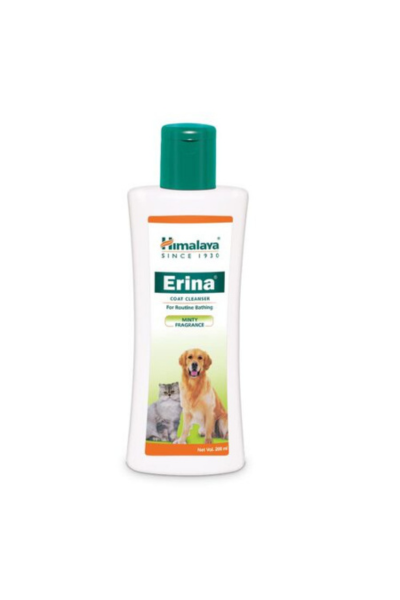
Description
Use by: 15 AUG 2026
| Brand | Himalaya |
| Item Form | Liquid |
| Scent | 1 |
| Item Weight | 0.2 Kilograms |
| Active Ingredients | Cedarwood Oil |
| Item Volume | 200 Millilitres |
| Allergen Information | Allergen-Free |
| Age Range (Description) | All Life Stages |
| Global Trade Identification Number | 08901138838805 |
Introduction to Medicated Dog Shampoo
A medicated dog shampoo is more than just a grooming product—it’s a specialized health care solution for pets dealing with skin conditions. Unlike regular shampoos that focus mainly on cleaning and fragrance, a medicated dog shampoo is formulated with active ingredients designed to treat problems such as itching, dandruff, fungal infections, bacterial irritations, and even parasite infestations.
Why Use a Medicated Dog Shampoo?
Dogs, just like humans, can suffer from sensitive skin, allergies, and infections. A standard shampoo may temporarily clean the coat but will not address underlying skin issues. This is where a medicated dog shampoo becomes essential. It targets the root cause, providing relief and healing while maintaining coat hygiene.
Common Conditions Treated by Medicated Dog Shampoo
A medicated dog shampoo can be used under veterinary guidance to treat:
-
Fungal infections like ringworm or yeast.
-
Bacterial skin infections causing redness or sores.
-
Allergies that lead to constant scratching and irritation.
-
Dry, flaky skin or dandruff.
-
Mange and mites in certain formulations.
-
Hot spots and localized skin irritations.
Ingredients Found in Medicated Dog Shampoo
The strength of a medicated dog shampoo lies in its formulation. Some common active ingredients include:
-
Chlorhexidine – fights bacteria.
-
Ketoconazole – antifungal action.
-
Salicylic acid – exfoliates flaky skin.
-
Oatmeal and aloe vera – soothe irritation.
-
Coal tar or sulfur – manage seborrhea and scaling skin conditions.
Each medicated dog shampoo is designed for a specific condition, so selecting the right one is key.
Veterinary Guidance is Important
Not all shampoos are created equal, and some can cause harm if misused. A medicated dog shampoo should always be used according to a vet’s advice, since they can determine the right formula and frequency for your dog’s unique needs.
Benefits Beyond Healing
Apart from treating skin issues, a medicated dog shampoo provides multiple benefits:
-
Reduces odor caused by infections.
-
Restores coat shine and softness.
-
Provides itch relief, improving quality of life.
-
Prevents recurrence of skin issues when used regularly.
Application Tips for Medicated Dog Shampoo
To get the best results from a medicated dog shampoo:
-
Wet your dog’s coat thoroughly.
-
Apply the shampoo and massage into the skin.
-
Allow it to sit for several minutes (as directed by your vet).
-
Rinse thoroughly to avoid residue.
-
Repeat only as prescribed—overuse may dry out the skin.
Special Considerations
A medicated dog shampoo is usually milder on fragrances since the focus is therapeutic, not cosmetic. Some dogs may require lifelong use for chronic conditions, while others may only need temporary treatment during flare-ups.
Puppies and Senior Dogs
While a medicated dog shampoo is effective, care must be taken with puppies and senior pets. Their skin may be more delicate, so only formulas specifically labeled safe for these age groups should be used.
Part of a Complete Treatment Plan
Often, a medicated dog shampoo works best when combined with other treatments such as oral medications, topical creams, or dietary changes. It’s one piece of the overall care plan for your pet’s health.
Preventive Use
Some owners use a medicated dog shampoo occasionally even after conditions have healed, just to keep flare-ups at bay. This proactive approach helps maintain long-term skin and coat health.
Final Thoughts
A medicated dog shampoo is not just about grooming—it’s about health, comfort, and healing. Whether it’s battling stubborn infections, soothing itchy skin, or preventing recurring problems, this specialized product is a must-have for dogs with dermatological issues. With proper use under veterinary guidance, it becomes a powerful tool to restore your pet’s comfort and confidence.
The Role of Medicated Dog Shampoo in Pet Care
Dogs cannot explain their discomfort, but scratching, licking, and skin changes often indicate problems. A medicated dog shampoo acts as both a cleanser and a treatment, helping pet parents manage visible symptoms while addressing the root causes of skin conditions.
Everyday vs. Therapeutic Grooming
A regular grooming shampoo removes dirt and odor. A medicated dog shampoo, however, is therapeutic—it’s like the difference between a beauty soap and a medicated ointment. Its role goes beyond looks; it restores skin balance and supports healing.
Understanding Dog Skin
A dog’s skin pH is more neutral than human skin. Human shampoos are acidic and can cause irritation when used on pets. That’s why a medicated dog shampoo formulated specifically for canines is necessary—it maintains the right pH while delivering active treatment.
Different Types of Medicated Dog Shampoo
Not all formulations serve the same purpose. There are:
-
Antifungal medicated dog shampoos – target yeast infections and ringworm.
-
Antibacterial medicated dog shampoos – fight bacterial skin infections and hot spots.
-
Antiparasitic medicated dog shampoos – help with mange, mites, and fleas.
-
Seborrheic medicated dog shampoos – control excessive oiliness, scaling, and dandruff.
-
Soothing medicated dog shampoos – relieve itching and redness with ingredients like oatmeal or aloe.
Signs Your Dog May Need a Medicated Shampoo
Pet parents may notice:
-
Constant scratching and biting.
-
Bald patches or hair thinning.
-
Flaky, dry, or greasy skin.
-
Redness, sores, or hot spots.
-
Persistent odor that doesn’t go away after a bath.
These are clear signs that a medicated dog shampoo might be required.
Ingredient Deep Dive
Let’s look closer at how each ingredient works in a medicated dog shampoo:
-
Chlorhexidine: Kills bacteria by disrupting their cell membranes.
-
Ketoconazole: A proven antifungal agent used for yeast-related infections.
-
Salicylic Acid: Softens keratin, helping shed dead skin and reducing scaling.
-
Sulfur: A keratolytic agent, effective for seborrheic dermatitis.
-
Hydrocortisone: Reduces inflammation and itching in certain medicated shampoos.
Each formula balances therapeutic strength with pet safety.
How Often Should You Use a Medicated Dog Shampoo?
Frequency depends on the condition being treated. For severe infections, a vet may suggest using a medicated dog shampoo 2–3 times per week. Once symptoms improve, frequency is reduced to once every 1–2 weeks for maintenance.
Preventing Overuse
While powerful, a medicated dog shampoo should not be overused. Excessive use may strip natural oils, leading to dryness. Following your vet’s dosage instructions is key to success.
Puppies and Medicated Shampoos
Puppies have delicate skin. Unless specifically labeled safe for puppies, a medicated dog shampoo should only be used on adult dogs. Vets usually recommend milder, natural formulas for young pups.
Complementing Other Treatments
Skin issues are often linked to diet, environment, or allergies. A medicated dog shampoo works best alongside other treatments like antihistamines, antifungal tablets, or parasite preventives. It’s part of a bigger health strategy.
Odor Control Benefits
Dogs with skin infections often develop strong, unpleasant odors. A medicated dog shampoo eliminates these smells by targeting the infection source, not just masking it with fragrance.
Grooming Routine with Medicated Shampoo
A balanced grooming routine might look like this:
-
Weekly: Brush the coat thoroughly.
-
Every 1–2 weeks: Use a medicated dog shampoo as directed.
-
Monthly: Alternate with a conditioning bath to keep fur soft.
This ensures both skin health and coat beauty.
Safety Tips for Pet Parents
When using a medicated dog shampoo:
-
Always wear gloves to protect your hands.
-
Prevent the product from getting into your dog’s eyes, ears, or mouth.
-
Rinse thoroughly to avoid residue irritation.
-
Store the shampoo safely away from children and other pets.
Real-Life Example
Consider a Labrador suffering from chronic hot spots. After repeated scratching and redness, a vet prescribed a medicated dog shampoo with chlorhexidine and ketoconazole. Within weeks, the dog’s skin cleared, odor reduced, and coat regained its shine. This shows how effective these shampoos can be under proper guidance.
Long-Term Benefits
Beyond immediate relief, consistent use of a medicated dog shampoo can:
-
Prevent recurring infections.
-
Improve coat texture and shine.
-
Boost overall comfort for the dog.
-
Reduce vet visits by controlling symptoms early.
Common Mistakes to Avoid
-
Using human medicated shampoos on dogs.
-
Not leaving the shampoo on long enough before rinsing.
-
Overusing the product without vet guidance.
-
Mixing different medicated shampoos without approval.
Cost and Value
While a medicated dog shampoo may cost more than regular options, it saves money long-term by reducing the need for repeat vet visits, antibiotics, or frequent grooming sessions.
Final Reflection
A medicated dog shampoo is not just about bathing—it’s about healing, prevention, and comfort. When used responsibly and under veterinary advice, it becomes one of the most powerful tools in maintaining a dog’s skin and coat health.
Brand Comparisons of Medicated Dog Shampoo
Not all shampoos are the same. Some trusted vet-recommended options include:
-
Virbac Sebolytic – A specialized medicated dog shampoo that balances oil production and relieves seborrhea.
-
Douxo S3 Pyo – Popular for antibacterial and antifungal properties, making it a strong choice for hot spots.
-
Vet’s Best Medicated Oatmeal Shampoo – A soothing, plant-based option for itching and allergies.
-
Pet MD Chlorhexidine + Ketoconazole Shampoo – A potent formula against both bacteria and yeast infections.
-
SynergyLabs Antiparasitic & Antiseborrheic Medicated Shampoo – A powerful medicated dog shampoo for mange, dandruff, and scaling.
Each one serves a unique purpose, so matching the right medicated dog shampoo to the right condition is critical.
Myths vs. Facts About Medicated Dog Shampoo
Myth 1: Any dog shampoo can be used for skin infections.
Fact: Only a medicated dog shampoo with active ingredients can fight bacteria, fungi, or parasites.
Myth 2: Medicated shampoos are harmful to healthy dogs.
Fact: When used correctly, a medicated dog shampoo is safe and even soothing, though it should not replace regular shampoo for everyday use.
Myth 3: One bath cures everything.
Fact: A medicated dog shampoo requires consistent use over weeks to show lasting results.
Myth 4: Human dandruff shampoos work on dogs.
Fact: Human pH levels differ, making such use unsafe. A canine-formulated medicated dog shampoo is the right choice.
Frequently Asked Questions
Q1. Can I use a medicated dog shampoo without a vet prescription?
Yes, some are over-the-counter, but it’s always best to get veterinary guidance before starting.
Q2. How long should the shampoo stay on my dog?
Most medicated dog shampoos require 5–10 minutes of contact time for the ingredients to work effectively.
Q3. Will medicated shampoos help allergies?
A medicated dog shampoo can ease itching and irritation caused by allergies, but it doesn’t cure the underlying allergy.
Q4. Can I alternate between regular and medicated shampoo?
Yes. Many pet parents use a medicated dog shampoo once a week and a conditioning shampoo in between.
Q5. Do medicated shampoos work on all breeds?
Absolutely. Whether your dog is a Labrador, Poodle, or German Shepherd, a medicated dog shampoo works across breeds—though coat type may influence frequency.
Home Remedies vs. Medicated Dog Shampoo
Some owners try oatmeal baths, apple cider vinegar rinses, or coconut oil for itchy skin. While these may soothe temporarily, they cannot treat bacterial or fungal infections. That’s where a medicated dog shampoo is irreplaceable. It directly targets microorganisms and restores healthy skin balance.
Step-by-Step Bathing Guide with Medicated Dog Shampoo
-
Brush First: Remove mats and loose fur before bathing.
-
Wet Thoroughly: Use lukewarm water.
-
Apply Shampoo: Massage the medicated dog shampoo into the coat and skin.
-
Leave It On: Let the shampoo sit for at least 5–10 minutes.
-
Rinse Well: Residue may irritate skin, so rinse thoroughly.
-
Dry Gently: Use a towel or low-heat dryer.
-
Reward Your Dog: Positive reinforcement makes the process easier.
Case Studies
-
Case 1: Chronic Hot Spots – A Golden Retriever with repeated hot spots improved drastically after using a chlorhexidine-based medicated dog shampoo twice a week.
-
Case 2: Mange in a Rescue Dog – A street dog suffering from demodectic mange recovered with antiparasitic medicated dog shampoo, combined with vet-prescribed medication.
-
Case 3: Allergy Relief – A Beagle with seasonal allergies found comfort in an oatmeal-based medicated dog shampoo, reducing scratching and redness.
Why Medicated Dog Shampoo is Worth the Investment
While regular shampoos are cheaper, a medicated dog shampoo prevents long-term complications, reduces repeated vet visits, and improves the dog’s comfort. Think of it as both a grooming tool and a medical treatment.
Long-Term Grooming Plan
-
Week 1–4: Use a medicated dog shampoo 2–3 times weekly (as per vet advice).
-
Week 5–8: Reduce to once a week.
-
Maintenance Phase: Use once every 2–3 weeks alongside regular shampoo.
This plan keeps skin issues under control without overuse.
The Emotional Side of Using Medicated Dog Shampoo
Dogs suffering from itching, infections, or mange often seem irritable and withdrawn. After regular use of a shampoo, many regain their playful, happy personality. Healthy skin equals a happier dog.
Final Thoughts
A shampoo is more than a grooming product—it’s a form of veterinary care in a bottle. With proper use, it:
-
Soothes irritation.
-
Heals infections.
-
Prevents recurrence.
-
Restores coat shine.
-
Enhances overall wellbeing.
Every pet parent should consider keeping a shampoo in their grooming kit, ready to handle skin troubles quickly and effectively.
Types of Medicated Dog Shampoo
Not every shampoo is the same—each category targets a specific issue:
-
Antibacterial Shampoos – Contain chlorhexidine, benzoyl peroxide, or triclosan. These fight bacterial skin infections that cause redness, pustules, and odor.
-
Antifungal Shampoos – Contain ketoconazole, miconazole, or climbazole. These help with yeast infections and fungal growth like ringworm.
-
Antiparasitic Shampoos – Fight mites, lice, and mange. These shampoos often include sulfur or benzoyl peroxide.
-
Anti-itch/Oatmeal Shampoos – While soothing, they may also include mild medicated ingredients to control allergies and inflammation.
-
Seborrheic Shampoos – Help with oily skin, dandruff, and flakiness. Common ingredients include salicylic acid, sulfur, or coal tar.
How a Shampoo Works on the Skin
When you apply a shampoo, the active ingredients:
-
Bind to the skin surface for long-lasting effect.
-
Break down oils and debris that trap microbes.
-
Penetrate hair follicles where infections often hide.
-
Relieve itching almost instantly, calming your dog.
Unlike cosmetic shampoos, the science behind a shampoo is therapeutic, not just cleansing.
Signs Your Dog Might Need a Shampoo
-
Constant scratching or chewing paws.
-
Red patches or inflamed skin.
-
Scabs, dandruff, or greasy coat.
-
Yeasty odor even after baths.
-
Hair loss or bald patches.
-
Hot spots or localized sores.
If you notice these, a medicated dog shampoo could be the first step to relief.
Common Mistakes Pet Owners Make
-
Rinsing too quickly – Active ingredients need contact time to work.
-
Using too often – Over-bathing with a shampoo can dry the skin.
-
Mixing human shampoos – Unsafe for pets due to pH differences.
-
Not consulting a vet – The wrong formula can worsen certain conditions.
-
Inconsistent use – Stopping after one or two baths prevents full healing.
Seasonal Use of Shampoo
-
Summer: Dogs are more prone to fungal infections due to humidity. A cooling shampoo helps.
-
Monsoon: Wet weather means yeast overgrowth; antifungal shampoos are useful.
-
Winter: Dry skin and dandruff rise, so a moisturizing medicated shampoo with oatmeal or aloe is best.
-
Spring: Allergy season—antihistamine-friendly or soothing medicated shampoos reduce itching.
Grooming Checklist with Shampoo
✅ Brush coat before bath.
✅ Use lukewarm water (never hot).
✅ Apply shampoo evenly across skin.
✅ Let sit 5–10 minutes.
✅ Rinse twice to ensure no residue.
✅ Dry gently with towel or low dryer.
✅ Apply vet-recommended sprays/ointments after bath if needed.
Comparing Shampoo vs. Regular Dog Shampoo
| Feature | Regular Shampoo | Medicated Dog Shampoo |
|---|---|---|
| Purpose | Cleansing, fragrance | Healing skin issues, killing microbes |
| Ingredients | Mild cleansers, conditioners | Active agents (chlorhexidine, ketoconazole, sulfur) |
| Usage | Weekly or biweekly | As prescribed (2–3 times a week initially) |
| Cost | Lower | Higher |
| Effectiveness for skin problems | Limited | Direct treatment |
Clearly, a shampoo is the superior option for skin health.
Before-and-After Scenarios
-
Before: Dog scratching all night, losing sleep, patches of fur missing.
-
After a month with shampoo: Skin calms, fur regrows, itching reduced, odor gone.
-
Before: Greasy, flaky coat with dandruff falling on furniture.
-
After: Shiny, healthy coat restored with seborrheic shampoo.
Veterinarian Insights
Most vets agree: is the safest first step for skin infections. It avoids immediate reliance on strong oral antibiotics or steroids. Used consistently, it reduces flare-ups, improves coat health, and lowers chances of chronic issues.
Emotional Connection
Dogs cannot say, “My skin hurts.” But their scratching, whining, and chewing are silent cries. Giving them relief with a shampoo is not just treatment—it’s compassion. Seeing your dog finally sleep peacefully after weeks of irritation is priceless.
Long-Term Value
While it may cost more upfront, a shampoo prevents repeated vet visits, antibiotic use, and ongoing discomfort. Think of it as insurance for your pet’s skin health.
Final Expanded Thoughts
A shampoo is a must-have in every pet parent’s grooming kit. Whether your dog struggles with allergies, infections, or dry skin, this product offers:
-
Immediate comfort.
-
Lasting healing.
-
Prevention of future flare-ups.
It’s more than soap—it’s a step toward your dog’s happiness, health, and quality of life.
About this item
- Tick and Flea Control: Himalaya Erina Coat Cleanser is formulated to effectively eliminate ticks and fleas, ensuring a comfortable and healthy experience for your pet.
- Neem and Dill Seed Oil Formula: Enriched with the natural goodness of neem, known for its antibacterial and antifungal properties, and dill seed oil, which helps soothe irritation and promotes overall skin health.
- Soothes Skin Irritation: Provides relief from itching and redness, leaving your pet’s skin calm and refreshed.
- Improves Coat Condition: Cleanses and conditions the coat, leaving it soft, shiny, and free from external parasites.
- Prevents Skin Infections: The antimicrobial properties of neem and dill seed oil protect your pet’s skin from infections and common irritations.
- pH-balanced and Safe: Gentle, pH-balanced formula suitable for regular use on dogs and cats of all breeds and sizes.
- Enhanced Coat Health: Regular use (once a week) ensures a healthier, shinier coat, promoting your pet’s overall well-being.
Be the first to review “Best medicated dog shampoo Himalaya pack of 1” Cancel reply
Related products
-
Sale!
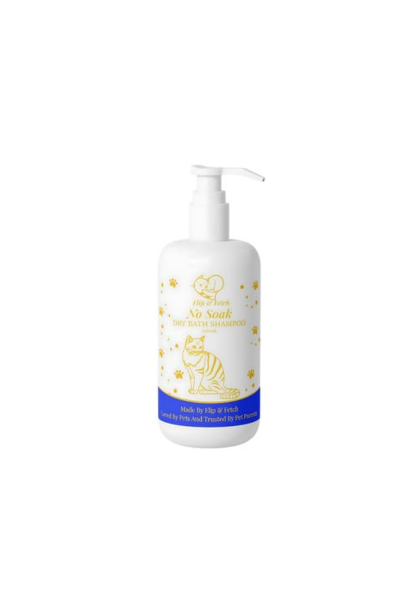
Best 1 Dry Bath Shampoo Flip & Fetch No Soak
₹499.00Original price was: ₹499.00.₹359.00Current price is: ₹359.00. -
Sale!
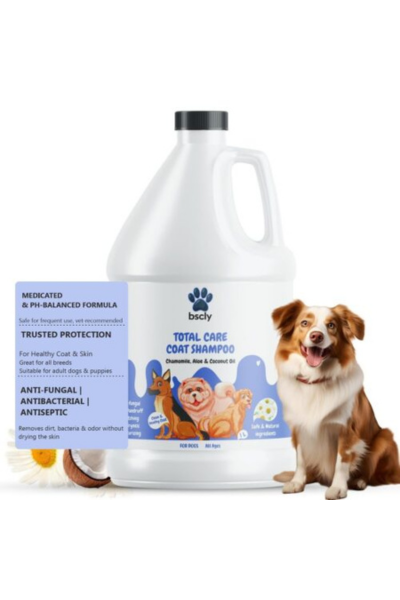
Best puppy dandruff shampoo Care Pet 2025
₹799.00Original price was: ₹799.00.₹497.00Current price is: ₹497.00. -
Sale!

Best recommended dog shampoo telltails 10
₹550.00Original price was: ₹550.00.₹349.00Current price is: ₹349.00. -
Sale!
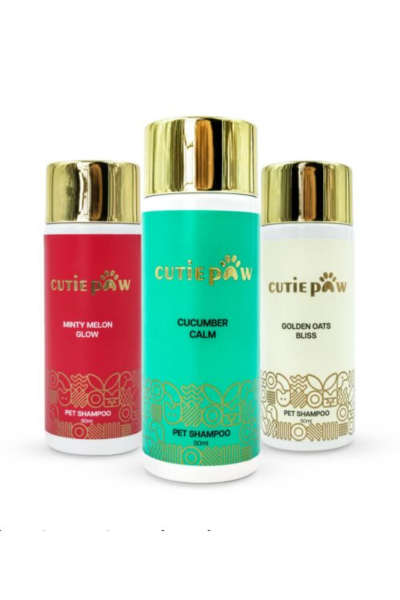
Perfect 1 CutiePaw Shampoo
₹999.00Original price was: ₹999.00.₹299.00Current price is: ₹299.00.
Reviews
There are no reviews yet.