
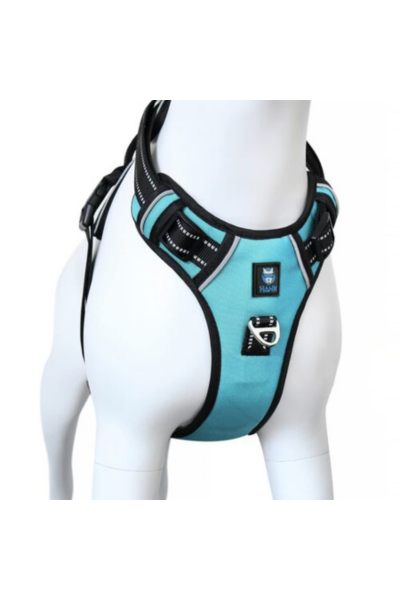
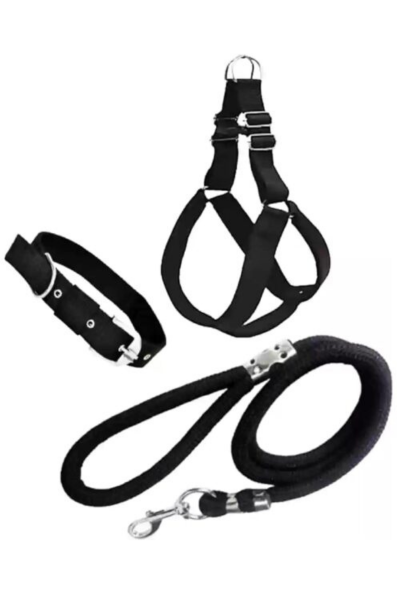
Hank no-pull dog with harness is designed to control with 2 Metal leash rings and an extra handle. The V-Ring is on the back side for casual walking. Pulling pressure is evenly distributed to the body to prevent Choking. The sturdy handle on the back for looping the seat belt through to secure your dog while driving. perfect for daily walking, running, hiking, training, hunting, outdoor adventure.
best 1 dog with harness Adjustable Dog Belts Night Reflective
Original price was: ₹3,999.00.₹1,349.00Current price is: ₹1,349.00.
Description
Introduction: Why a Harness Matters
Walking a dog with harness is one of the most transformative experiences for both pets and owners. Unlike collars that put pressure on the neck, harnesses distribute weight evenly across the chest and shoulders, making every outing safer, more controlled, and more enjoyable. For modern pet owners, the harness is no longer just an accessory—it has become an essential tool for comfort, security, and training.
When people see a dog with harness, it often signals responsible ownership. It tells the world that the pet is cared for, guided safely, and prepared for new adventures without unnecessary strain or discomfort.
The Evolution of Dog Harnesses
Historically, harnesses were designed for working dogs—sled dogs, police dogs, or those pulling carts. These early designs were built for strength and durability. Over time, as pet keeping evolved into companionship rather than just utility, harnesses became more focused on comfort, control, and style.
Today, a dog with harness might be:
-
A family pet walking in the park.
-
A service animal assisting its handler.
-
An athletic dog preparing for a hike or outdoor adventure.
-
A senior dog wearing a supportive mobility harness.
The evolution shows that harnesses have grown to serve nearly every lifestyle.
Benefits of Walking a Dog With Harness
1. Safety First
The main advantage of using a harness is safety. Unlike collars that can choke or damage the trachea, harnesses keep the neck free of pressure. This is particularly important for small breeds, brachycephalic dogs (like Pugs), or strong pullers.
2. Better Control
With a dog with harness, owners gain superior control over direction and pace. A front-clip harness allows gentle redirection without jerking, while a back-clip harness provides secure attachment for calm walkers.
3. Training Tool
Harnesses are excellent for teaching leash manners. Dogs learn to walk calmly beside their owners rather than dragging ahead.
4. Comfort for Longer Walks
Padded harnesses prevent rubbing and chafing, allowing for extended outings without discomfort.
5. Freedom Without Risk
Dogs can explore, sniff, and enjoy their surroundings while owners feel confident they won’t slip out and run into danger.
Types of Dog Harnesses
There is no one-size-fits-all. Different dogs require different harness styles.
1. Back-Clip Harness
-
Most common design.
-
Clip attaches at the back.
-
Ideal for calm dogs or small breeds.
2. Front-Clip Harness
-
Clip attaches at the chest.
-
Helps discourage pulling by turning the dog toward the owner.
3. Dual-Clip Harness
-
Combines both front and back attachment points.
-
Offers flexibility for training and everyday walking.
4. Step-In Harness
-
Easy for small dogs to step into.
-
Secures around the chest without going over the head.
5. No-Pull Harness
-
Designed to reduce pulling through gentle pressure.
-
Useful for energetic or untrained dogs.
6. Specialty Harnesses
-
Mobility harnesses with handles for senior or injured dogs.
-
Reflective harnesses for nighttime walks.
-
Adventure harnesses with pouches for hiking gear.
Every dog with harness benefits when the design matches their size, energy level, and lifestyle.
Introducing a Dog to a Harness
Some dogs take to harnesses immediately, while others need gradual introduction.
Step-by-Step Approach
-
Familiarization – Leave the harness near the dog’s bed so it becomes a familiar object.
-
Positive Association – Reward the dog with treats when it sniffs or touches the harness.
-
Short Wearing Sessions – Put it on briefly indoors and reward calm behavior.
-
Practice Walking Indoors – Use the leash for a few minutes at a time inside the house.
-
Gradual Outdoor Exposure – Take short walks, increasing duration as the dog adjusts.
With patience, every dog with harness can grow to enjoy wearing it, associating it with fun adventures.
Training a Dog With Harness
Harnesses are not just for restraint; they can be powerful training aids.
-
Loose-Leash Training: Using a front-clip harness makes pulling less effective, encouraging the dog to stay close.
-
Redirection Training: If the dog lunges, the harness allows safe redirection without choking.
-
Reward-Based Reinforcement: Every calm step beside the owner is rewarded with praise or treats.
Over time, a dog with harness develops better walking habits, making outings stress-free for both.
Everyday Life of a Dog With Harness
Picture a morning routine: the owner reaches for the harness, and the dog’s tail wags with excitement. The harness becomes a signal for fun, bonding, and exploration.
-
Morning Walks: Safe, controlled strolls before the day begins.
-
Park Playtime: Dogs can enjoy off-leash parks with harnesses that allow easy attachment when needed.
-
Traveling: Secure car harnesses keep dogs safe during road trips.
-
Outdoor Adventures: From beaches to hiking trails, harnesses provide safety and freedom.
The presence of a harness enhances not only safety but also the emotional connection. A dog with harness often views it as the beginning of adventure.
Common Mistakes When Using a Dog With Harness
Even with the right equipment, owners sometimes misuse harnesses, leading to discomfort or reduced effectiveness. Understanding these mistakes ensures every dog with harness has a positive experience.
1. Wrong Size Selection
Harness sizing is crucial. A harness too small may restrict breathing and movement, while one too large allows the dog to slip out. Measuring chest girth, neck size, and weight helps avoid these errors.
2. Loose Adjustments
Owners often fail to tighten straps properly. A harness should be snug, with room for two fingers between the strap and the dog’s body. Too loose, and it risks slipping; too tight, and it causes irritation.
3. Inconsistent Use
Some owners switch between collars and harnesses, confusing the dog. A dog with harness learns better walking manners when the harness is used consistently.
4. Ignoring Wear and Tear
Frayed straps, weakened buckles, or broken clips compromise safety. Regular inspection extends the lifespan of the harness and keeps the dog safe.
5. Overlooking Comfort
A harness may look good but cause rubbing under the legs or across the chest. Comfort should always be prioritized over aesthetics.
Materials and Durability of Harnesses
The best experience for a dog with harness depends on the material used.
Nylon
-
Strong, affordable, and widely available.
-
Resists pulling forces but may feel rough without padding.
Polyester
-
Softer than nylon, often paired with breathable mesh.
-
Lightweight and comfortable for small breeds.
Leather
-
Durable, stylish, and long-lasting.
-
Requires regular conditioning to prevent stiffness.
Mesh Fabric
-
Breathable and soft, perfect for summer walks.
-
Common in harnesses for small dogs and puppies.
Neoprene Padding
-
Adds comfort by reducing friction.
-
Water-resistant, making it ideal for active or swimming dogs.
A well-chosen material ensures the dog with harness stays comfortable, even on long adventures.
Case Studies: Dogs Thriving With Harnesses
Case 1: Rocky the Husky
Rocky was an energetic puller, dragging his owner with a collar. Switching to a front-clip harness allowed gentle redirection. Within weeks, Rocky learned to walk calmly. Now, a dog with harness, Rocky enjoys daily hikes without straining his owner.
Case 2: Bella the Beagle
Bella had sensitive skin, and collars left marks on her neck. A padded mesh harness solved the issue, providing comfort and safety. Her walks transformed into joyful outings.
Case 3: Simba the German Shepherd
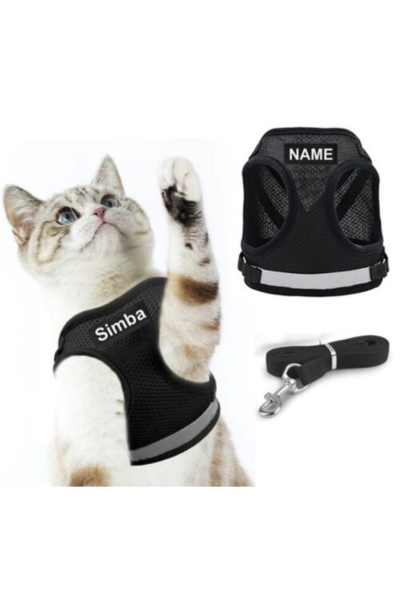
Simba worked as a therapy dog. His special service harness displayed patches like “Working Dog” and “Do Not Pet.” This not only helped Simba perform his duties but also informed the public about his role.
These cases highlight how each dog with harness benefits differently, depending on lifestyle and needs.
Harnesses for Special Needs Dogs
Harnesses are not only for healthy, energetic pets—they also support dogs with special conditions.
Senior Dogs
Older dogs may struggle with mobility. Support harnesses with handles allow owners to lift them into cars or help them climb stairs.
Post-Surgery Dogs
Recovery harnesses reduce strain on healing muscles and joints. Adjustable straps prevent pressure on surgical sites.
Blind or Disabled Dogs
Special harnesses include guiding handles or protective bumpers that help dogs navigate safely.
Working Dogs
Service and rescue dogs wear specialized harnesses that allow them to carry gear or signal their role to humans.
For each unique case, a dog with harness becomes more than a pet—it becomes a partner with the right support.
Everyday Scenarios Where Harnesses Shine
A dog with harness fits seamlessly into many parts of daily life.
-
City Walks: In crowded streets, harnesses provide better control and prevent sudden escapes.
-
Outdoor Adventures: Hiking trails, forests, and beaches become safer with secure harnesses.
-
Travel: Car-safe harnesses keep dogs secure during long drives.
-
Training Sessions: No-pull harnesses assist owners in building good habits.
-
Public Etiquette: Harnesses can carry patches or messages like “Nervous Dog” or “Do Not Pet,” improving communication with strangers.
Harnesses enhance not only safety but also the overall lifestyle of both dogs and their families.
Parallel With Cats and Harnesses
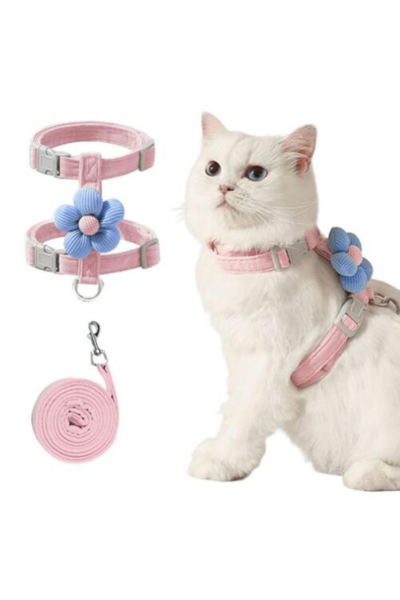
Interestingly, many principles overlap when comparing a dog with harness to a cat wearing one. Dogs benefit from safety, control, and training, while cats benefit from the freedom to explore outdoors without risk. Both cases show how harnesses strengthen the bond between pets and their owners.
Training a Dog With Harness
A harness is not just for restraint; it can be one of the most effective training tools for building good leash manners. A dog with harness learns more quickly because the design reduces choking, redirects pulling, and provides the owner with greater control.
Step-by-Step Training Guide
-
Introduce the Harness Gradually
-
Leave the harness where the dog can sniff it.
-
Reward calm interaction.
-
This ensures the harness becomes a positive symbol, not a strange object.
-
-
Short Indoor Sessions
-
Start with just a few minutes of wearing the harness inside the house.
-
Pair it with treats, praise, or playtime.
-
-
Attach the Leash Indoors
-
Practice walking short distances indoors.
-
Teach the dog that staying near the owner is rewarding.
-
-
Take It Outside Slowly
-
Begin with short outdoor walks.
-
If the dog pulls, stop walking until it relaxes. A dog with harness quickly learns pulling leads to no progress.
-
-
Be Consistent
-
Daily training, even in short sessions, reinforces the behavior.
-
Patience pays off over time.
-
Harnesses are especially useful for teaching puppies leash manners, but even older dogs adapt with practice.
Harness Etiquette in Public Spaces
A responsible dog with harness makes life easier not just for the owner, but for everyone in the community.
Key Etiquette Rules
-
Keep the Leash Short in Crowds
-
Prevents tangling, tripping, or startling others.
-
-
Respect Other Dogs
-
Not every dog wants to socialize. A harness makes it easier to gently guide your dog away if needed.
-
-
Be Visible at Night
-
Reflective or LED harnesses ensure safety on evening walks.
-
-
Signal Through Harness Labels
-
Patches like “Service Dog” or “Do Not Pet” communicate vital information to the public.
-
-
Always Clean Up After Your Dog
-
Harnesses symbolize responsibility—owners must uphold that in all aspects.
-
When people see a dog with harness behaving calmly in public, it sets a standard for good pet ownership.
Owner Testimonials
Hearing from real pet owners shows how transformative a harness can be.
-
Sophie & Milo (Beagle):
“Milo used to choke himself with a collar. Now, as a dog with harness, he walks comfortably, and I feel more relaxed. Walks have gone from stressful to enjoyable.” -
Arjun & Bruno (Labrador):
“Bruno is big and strong. With his harness, I have control without feeling like I’m wrestling him. It’s been life-changing for our evening walks.” -
Laura & Daisy (Corgi):
“Daisy had surgery last year, and lifting her was hard. Her support harness with a handle allows me to help her climb stairs. She’s happier, and I’m relieved.”
These stories highlight how every dog with harness represents not just a safer pet but a more confident owner.
The Psychology of Dogs Wearing Harnesses
Dogs are highly responsive to touch, pressure, and body signals. A harness changes how they experience walks.
-
Sense of Comfort
A snug harness can feel like a reassuring hug. Many anxious dogs relax once it’s on. -
Freedom Without Fear
Dogs are natural explorers. With a harness, they roam without the owner worrying about injury or escape. -
Reduced Opposition Reflex
Collars often trigger a reflex that makes dogs pull harder when restrained. Harnesses spread the pressure, reducing the urge to fight against it. -
Positive Associations
If walks are always enjoyable, the harness becomes a signal for excitement. A dog with harness often wags its tail the moment it sees the gear come out.
Harnesses influence not just safety but also confidence, joy, and trust in the owner.
Dogs With Harnesses in Daily Routines
A harness becomes part of everyday life, blending into a dog’s schedule.
-
Morning Walks: A calm, secure start to the day.
-
Exercise Sessions: Runs, hikes, or playtime with full control.
-
Travel Time: Car harnesses keep dogs safe during rides.
-
Vet Visits: Harnesses provide secure handling in stressful environments.
-
Training Classes: Essential for building discipline and obedience.
When the routine includes a harness, the bond between dog and human grows stronger. A dog with harness is more than a pet—it’s a partner in daily adventures.
Reviews
There are no reviews yet.