
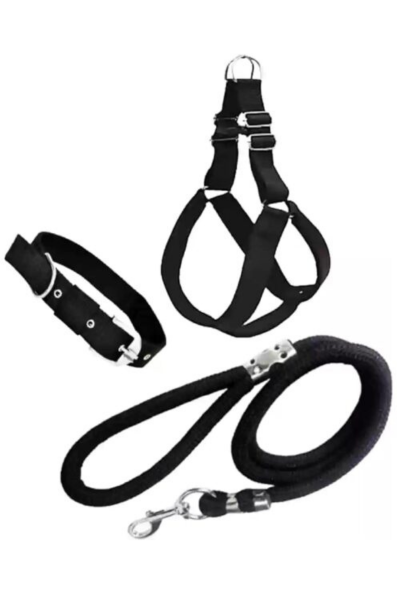
The Agirav No Pull harness on a dog is an adjustable, escape-proof harness designed for small, medium, and large dogs. It features metal fittings for security, a safety buckle for easy on and off, and is made of soft, wear-resistant nylon. The set includes a leash and collar, both made of durable nylon.
Top 20 best harness on a dog – Adjustable Soft Leash Collar
₹999.00 Original price was: ₹999.00.₹141.00Current price is: ₹141.00.
Category: Harness
Description
harness on a dog
| Size | Free |
| Colour | Black |
| Pattern | Harness, Neck Collar Belt and Rope Set |
| Brand | Agirav |
| Material | nylon,metal |
Introduction: Why harness on a dog Matter
Dogs have been loyal companions to humans for thousands of years, offering unconditional love, companionship, and assistance in countless ways. From working dogs guiding the blind to family pets who greet us at the door with wagging tails, dogs play an irreplaceable role in our lives. Ensuring their comfort, health, and safety is a top priority for any responsible owner.
One of the most essential tools for modern dog care is the harness on a dog. While collars were once the traditional choice for walking, training, and controlling dogs, harnesses have steadily gained popularity because of their superior design, comfort, and safety features. The best harness on a dog not only prevents strain on the neck but also provides better control, reduces pulling, and helps with specific training needs.
Interestingly, just as cats and harness on a dog are gaining recognition for safe outdoor adventures,harness on a dog have become a standard piece of equipment for responsible owners worldwide.
The Evolution of harness on a dog
From Collars to Harnesses
In the past, most harness on a dog wore collars for identification and leash attachment. While collars are still useful for ID tags, veterinarians and trainers now caution against using collars for walking, especially with dogs prone to pulling. Collars can cause:
-
Neck injuries
-
Collapsed trachea
-
Eye pressure (in small breeds)
-
General discomfort
The development of harnesses solved many of these issues. By distributing pressure across the chest and shoulders, harnesses reduce the risk of injury while giving the handler more control.
Modern Harness Designs
Today’s harnesses come in various styles tailored for walking, training, car safety, and even athletic sports like canicross. Innovation continues to shape the future of harness technology, making them lighter, more comfortable, and more effective.
Anatomy of the Best Dog Harness
A high-quality dog harness is not just a strap that clips onto a leash—it’s a thoughtfully designed tool. Here’s what makes a harness stand out:
1. Comfortable Materials
-
Padded Chest Plate: Prevents chafing and distributes pressure.
-
Breathable Mesh: Keeps dogs cool during walks.
-
Durable Nylon or Polyester: Withstands pulling and chewing.
2. Adjustable Fit
-
Multiple adjustment points ensure the harness fits snugly without being restrictive.
-
A proper fit prevents dogs from wriggling out.
3. Safe Attachment Points
-
Front Clip: Helps reduce pulling by redirecting movement.
-
Back Clip: Standard attachment for casual walks.
-
Some harnesses feature both for versatility.
4. Reflective Strips
Visibility during evening or early-morning walks adds safety.
5. Easy On and Off
Owners appreciate harnesses with quick-release buckles or step-in designs.
When all these features come together, you get the best harness on a dog—one that balances comfort, safety, and functionality.
Benefits of Using a Dog Harness
Harnesses are not just trendy accessories; they bring real benefits for dogs and owners alike.
1. Safety First
Unlike collars, which concentrate force on the neck, harnesses spread it across the torso. This is particularly important for:
-
Small breeds with delicate throats
-
Brachycephalic breeds (like Pugs or Bulldogs)
-
Dogs with previous neck or spine injuries
2. Better Control
Harnesses give owners more control, especially for large or energetic dogs. The chest attachment allows gentle redirection instead of harsh pulling.
3. Training Aid
Front-clip harnesses are valuable tools for teaching dogs not to pull. Combined with positive reinforcement, they make walks calmer and more enjoyable.
4. Prevents Escapes
Well-fitted harnesses reduce the risk of dogs slipping out, unlike collars which can be backed out of easily.
5. Comfort During Walks
The best harness on a dog ensures even distribution of pressure, preventing choking, coughing, or discomfort.
6. Versatility
Some harnesses double as car restraints, travel aids, or even service-dog vests.
Different Types of Dog Harnesses
Choosing the best harness depends on your dog’s size, breed, and behavior. Let’s explore the main types:
1. Back-Clip Harness
-
Leash attaches to a ring on the back.
-
Best for well-behaved walkers.
-
Comfortable and easy to use.
2. Front-Clip Harness
-
Leash attaches at the chest.
-
Redirects pulling dogs toward the owner.
-
Great for training but can tangle if used incorrectly.
3. Dual-Clip Harness
-
Features both front and back clips.
-
Offers flexibility depending on the walking situation.
4. Step-In Harness
-
Dog steps into it, and straps fasten over the back.
-
Quick and easy to put on.
5. Over-the-Head Harness
-
Slips over the dog’s head and fastens at the chest.
-
Secure but may be harder for some dogs to accept.
6. No-Pull Harness
-
Designed with front clips and additional features to minimize pulling.
-
Excellent for training strong dogs.
7. Car Safety Harness
-
Specially designed to clip into seat belts.
-
Protects dogs during car rides.
With so many options, the “best harness on a dog” often depends on matching the harness style to your dog’s lifestyle.
Dogs That Benefit Most from Harnesses
While any dog can use a harness, some especially benefit from them:
-
Puppies: Harnesses prevent delicate necks from injury during early leash training.
-
Strong Pullers: Breeds like Huskies or German Shepherds need control and redirection.
-
Small Breeds: Yorkies, Chihuahuas, and similar breeds are prone to tracheal collapse from collars.
-
Flat-Faced Breeds: Bulldogs, Pugs, and Shih Tzus breathe easier without neck pressure.
-
Senior Dogs: Harnesses offer support for aging dogs with arthritis or weakness.
For these dogs, a harness isn’t just convenient—it’s essential.
The Comparison to Cats and Harnesses
While dogs are the primary focus here, it’s worth noting the parallel growth of cats and harnesses. Cat harnesses allow safe exploration for indoor felines, while dog harnesses improve walking safety and training for canines. In both cases, harnesses have replaced collars as the healthier, more humane option.
Common Mistakes Dog Owners Make with Harnesses
Even with the best harness on a dog, mistakes can reduce effectiveness and comfort. Here are some of the most frequent issues:
1. Choosing the Wrong Size
-
A harness that’s too tight causes chafing, restricted movement, and discomfort.
-
A harness that’s too loose increases the risk of escape.
-
Measuring a dog’s girth and chest properly is essential.
2. Not Adjusting Properly
Harnesses often have multiple adjustment points. Failing to adjust them can leave gaps or pressure points.
3. Using the Wrong Type of Harness
A casual back-clip harness isn’t ideal for training strong pullers, while a front-clip harness might frustrate a calm walker.
4. Forgetting to Check for Wear and Tear
Over time, straps fray and clips loosen. Regular inspection ensures continued safety.
5. Overlooking Comfort
Some owners prioritize aesthetics over practicality. A fashionable harness without padding may cause irritation.
Avoiding these mistakes ensures that the best harness on a dog truly serves its purpose.
Training Dogs with Harnesses
Harnesses can be powerful training tools when combined with positive reinforcement.
Step-by-Step Training Guide
-
Introduce the Harness Gradually
-
Let the dog sniff and investigate before putting it on.
-
Offer treats to create a positive association.
-
-
Practice Indoors First
-
Short sessions inside the home help the dog get used to the feel.
-
-
Start with Short Walks
-
Keep early walks brief and rewarding.
-
-
Redirect Pulling Gently
-
Use a front-clip harness to guide the dog back toward you when pulling.
-
Reward calm walking by your side.
-
-
Be Consistent
-
Harness training takes time; consistency leads to long-term success.
-
With patience, the best harness becomes a tool not only for safety but also for building leash manners.
Materials and Durability of Dog Harnesses
The material of a harness directly impacts durability, comfort, and performance.
1. Nylon
-
Lightweight, affordable, and durable.
-
Often used in everyday walking harnesses.
2. Polyester
-
Similar to nylon but softer.
-
Can include reflective stitching for visibility.
3. Leather
-
Stylish and long-lasting.
-
Requires maintenance and is less flexible.
4. Mesh Fabric
-
Breathable and comfortable.
-
Ideal for small breeds and hot climates.
5. Neoprene Padding
-
Soft, cushioned, and resistant to water.
-
Adds comfort during long walks.
The best harness on a dog usually blends durability with comfort, using a combination of strong straps and padded materials.
Expert Opinions on Dog Harnesses
Professionals widely recommend harnesses for both safety and training.
-
Dr. Marty Becker, Veterinarian:
“Harnesses are one of the simplest ways to prevent tracheal damage in small breeds. They are a must for responsible dog ownership.” -
Victoria Stilwell, Dog Trainer:
“Harnesses, especially front-clip models, are invaluable in teaching loose-leash walking. They give owners humane control without causing pain.” -
ASPCA (American Society for the Prevention of Cruelty to Animals):
Harnesses are considered safer alternatives to collars, particularly for dogs prone to respiratory issues.
The consensus is clear: the best harness on a dog is not just a matter of convenience but of long-term health and well-being.
Case Studies: Dogs Thriving with Harnesses
Case Study 1: Bella the Beagle
Bella was notorious for pulling on her collar, leading to coughing fits. After switching to a front-clip harness, her pulling reduced dramatically, and her health improved.
Case Study 2: Max the German Shepherd
Max, a strong and energetic dog, often overpowered his owner on walks. A no-pull harness gave the owner more control while allowing Max freedom to exercise.
Case Study 3: Coco the Chihuahua
Coco’s delicate neck made collars risky. A soft mesh harness provided comfort and eliminated the risk of tracheal collapse.
These examples highlight how the right harness can transform daily walks into safe, enjoyable experiences.
Harnesses for Special Needs Dogs
The best harness on a dog doesn’t just serve healthy, energetic pets. Special harnesses are designed for unique needs:
Mobility Support Harnesses
-
Help senior dogs or those recovering from surgery.
-
Feature handles that allow owners to lift or support the dog’s weight.
Service Dog Harnesses
-
Equipped with patches and handles for guiding or assisting people.
-
Built with durability and comfort for long hours of use.
Adventure Harnesses
-
Include rugged materials, waterproof coatings, and secure clips.
-
Ideal for hiking, camping, or swimming.
In these cases, the harness becomes more than an accessory—it becomes a lifeline.
The Parallel with Cats and Harnesses
While dogs benefit from harnesses for control and safety, cats use them primarily for exploration. Both species gain comfort, security, and enriched lives. Just as the best harness on a dog prevents injury and aids training, the right harness allows cats to explore safely, proving that harnesses have revolutionized pet care across the board.
Harness vs. Collar: The Ultimate Debate
Many dog owners ask: Why not just use a collar? To answer this, let’s weigh the pros and cons.
Benefits of Collars
-
Lightweight and simple.
-
Convenient for holding ID tags.
-
Suitable for dogs that never pull and only wear it indoors.
Risks of Collars
-
Pressure on the trachea can cause coughing or damage, especially in small breeds.
-
Strong pullers risk neck injury.
-
Limited control compared to harnesses.
Benefits of Harnesses
-
Distributes pressure evenly across chest and shoulders.
-
Offers better control, especially for large or energetic dogs.
-
Safer for training, walking, or outdoor activities.
Verdict
While collars have their uses, the best harness on a dog provides superior safety and comfort. Collars can remain as ID holders, but harnesses are the primary walking tool.
Popular Brands of Dog Harnesses
There are hundreds of harness brands worldwide, but a few stand out as leaders.
1. Ruffwear
-
Known for durability and outdoor adventure designs.
-
Popular among hikers and campers.
-
Pricey but built to last.
2. Julius-K9
-
Famous for its rugged build and customizable patches.
-
Strong enough for working dogs.
-
Provides excellent control for large breeds.
3. Puppia
-
Specializes in comfortable, stylish mesh harnesses.
-
Great for small dogs and toy breeds.
4. Kurgo
-
Offers travel-focused harnesses with seat belt compatibility.
-
Designed for safety during car rides.
5. PetSafe
-
Affordable, beginner-friendly harnesses.
-
Includes popular no-pull training options.
Each of these brands has carved a niche by addressing different needs, but all prioritize safety and comfort.
Travel Harnesses for Dogs
The best harness on a dog should also consider car travel. Standard walking harnesses aren’t designed for sudden stops or accidents.
Features of Travel Harnesses
-
Crash-tested designs for maximum safety.
-
Seatbelt attachments to prevent roaming in cars.
-
Extra padding for long rides.
Benefits
-
Prevents driver distractions.
-
Reduces risk of injury in accidents.
-
Makes long journeys more comfortable.
Dogs, much like humans, need safety belts during travel. A proper travel harness transforms road trips into worry-free experiences.
Harness Etiquette in Public
Harnesses not only provide control but also set the tone for responsible ownership in public spaces.
Rules of Good Etiquette
-
Keep the Leash Short in Crowds – Even the calmest dog can get startled.
-
Respect Other Dogs – Not all dogs want to interact.
-
Clean Up After Your Dog – A harness doesn’t excuse poor hygiene.
-
Use Visible Harnesses at Night – Reflective stitching or LED clips improve safety.
-
Communicate Through Harness Patches – Service dog patches, “Do Not Pet” labels, or training indicators guide the public.
Harness etiquette ensures harmony between dog owners, other pets, and the community.
Real Owner Testimonials
Emma & Duke (Golden Retriever)
“Switching to a harness was the best decision. Duke used to choke himself on a collar. With his Ruffwear harness, he’s more comfortable, and I feel safer walking him.”
Raj & Simba (German Shepherd)
“Simba is strong, and I always worried about losing control. The Julius-K9 harness gives me confidence during walks. It’s like holding the steering wheel firmly.”
Maria & Coco (Chihuahua)
“Coco is tiny, and collars made her cough. The soft mesh harness from Puppia fits perfectly and makes walks enjoyable.”
These stories echo a universal truth: the best harness on a dog improves life for both pets and owners.
The Connection to Cats and Harnesses
Though this guide focuses on dogs, it’s interesting to note how similar principles apply to cats. Cat harnesses allow safe exploration of the outdoors, much like dog harnesses do. Both cases highlight how harnesses are more than accessories—they are tools of freedom and safety. In both cats and harnesses or dogs with harnesses, the underlying theme is trust, care, and responsible companionship.
Specialized Harnesses for Working Dogs
Not all harnesses are for everyday walks. Many dogs have important jobs, and the harnesses they wear are tailored to their tasks.
1. Police and Military Dogs
-
Features: Heavy-duty straps, metal buckles, handles for handlers.
-
Purpose: Provide control in high-pressure environments.
-
Example: A German Shepherd on duty wears a tactical harness with attachment points for cameras or gear.
2. Search and Rescue Dogs
-
Features: Reflective patches, durable fabric, flotation support for water rescues.
-
Purpose: Help handlers guide dogs in dangerous terrain.
-
Example: Labrador retrievers trained for avalanche rescues wear bright, rugged harnesses visible in snow.
3. Therapy and Service Dogs harness on a dog
-
Features: Comfortable padding, identification patches, grab handles.
-
Purpose: Ensure dogs can work in hospitals, schools, or with individuals with disabilities.
-
Example: A Golden Retriever assisting a child with autism may wear a vest harness indicating “Service Dog – Do Not Pet.”
For these working heroes, the best harness on a dog is not just about comfort but about enabling them to save lives and provide assistance.
Harness Design Innovations
The world of pet accessories is evolving rapidly. harness on a dog are no longer limited to simple straps—they now feature modern innovations.
Smart harness on a dog
-
Embedded with GPS trackers to prevent pets from getting lost.
-
Sensors that monitor heart rate, body temperature, and activity.
-
Apps that sync data with owners’ phones.
Eco-Friendly harness on a dog
-
Made from recycled plastics or organic cotton.
-
Dyed with non-toxic, pet-safe colors.
-
Designed to reduce carbon footprint while maintaining durability.
Convertible harness on a dog
-
Function both as walking harness on a dog and car safety restraints.
-
Include detachable pouches for carrying essentials.
Technology and sustainability are reshaping what we define as the best harness on a dog.
The Psychology of harness on a dog
Harnesses are more than physical tools; they influence how dogs feel and behave.
1. Sense of Security
A snug, well-fitted harness can feel like a reassuring hug. Many anxious dogs relax once they wear it.
2. Freedom Without Fear
Harnesses allow dogs to explore the world without the risk of choking or injury, leading to more confident behavior.
3. Reduced Resistance
Collars often trigger opposition reflex—dogs pull against them instinctively. Harnesses distribute force, reducing stress and resistance.
4. Trust Building
When walks are comfortable, the bond between dog and owner strengthens. The harness becomes a symbol of shared adventures.
Understanding this psychology explains why the best harness on a dog can improve both physical and emotional health.
Cultural Differences in Harness Use
Different regions of the world approach pet harnesses differently.
-
United States & Europe – Harnesses are common, with many cities even recommending them over collars.
-
Japan – Harnesses are often designed for style and comfort, matching owners’ fashion sense.
-
India – Growing popularity as pet ownership rises, with more focus on affordable, durable harnesses.
-
Scandinavia – Strong emphasis on eco-friendly and outdoor-ready harnesses due to hiking culture.
Globally, the movement toward harnesses reflects a shift in how people view pets—not just as animals, but as family.
About this item
- Metal fittings make the dog harness more secure; this dog harness has two welded heavy-duty O-rings attached to the nylon straps. Each nylon strap adopts a special figure-8 stitching technology, which will not fall off easily. In addition, the dog harness has a safety buckle that can be quickly closed and securely fastened, and can be quickly released when manually operated, making it easy to put on and take off. Prevent the dog from being frightened and struggling to escape
Be the first to review “Top 20 best harness on a dog – Adjustable Soft Leash Collar” Cancel reply
Related products
-
Sale!
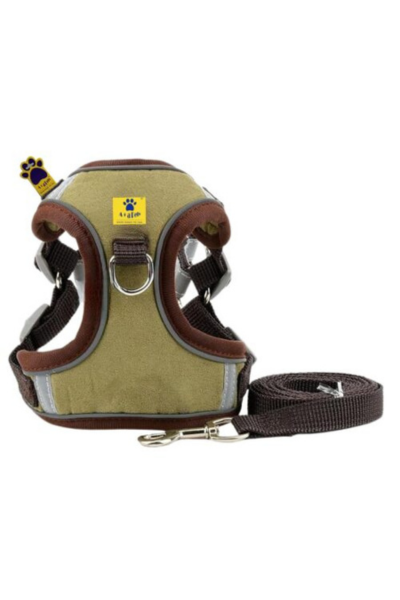
Pets’ Reflective dog harness and leash Set of 2
₹899.00Original price was: ₹899.00.₹559.00Current price is: ₹559.00. -
Sale!
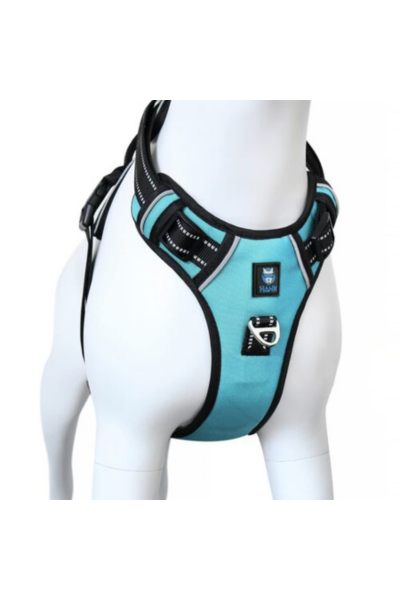
best 1 dog with harness Adjustable Dog Belts Night Reflective
₹3,999.00Original price was: ₹3,999.00.₹1,349.00Current price is: ₹1,349.00. -
Sale!
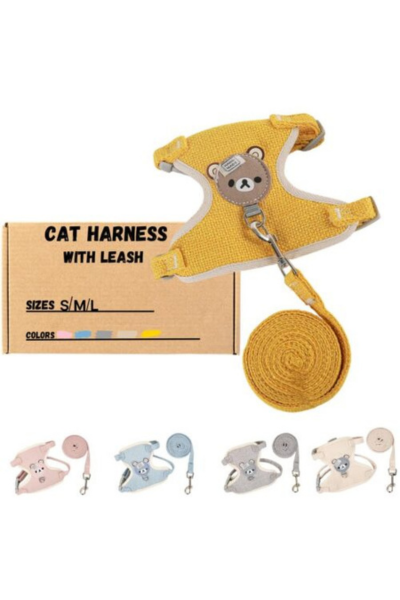
no. 1 best cat and leash with harness
₹799.00Original price was: ₹799.00.₹590.00Current price is: ₹590.00. -
Sale!
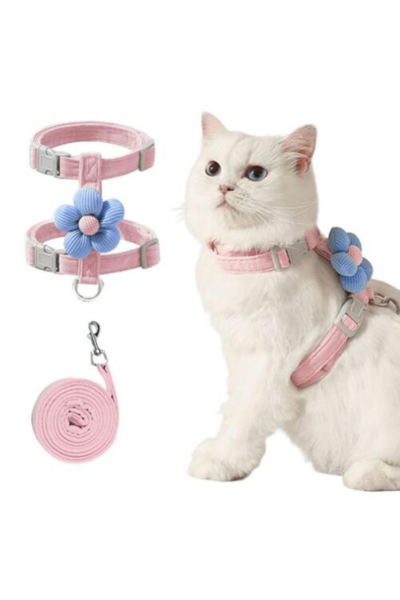
Qpets® no. 1 best cat halter and leash
₹288.00 – ₹289.00Price range: ₹288.00 through ₹289.00Select options This product has multiple variants. The options may be chosen on the product page Details
Reviews
There are no reviews yet.