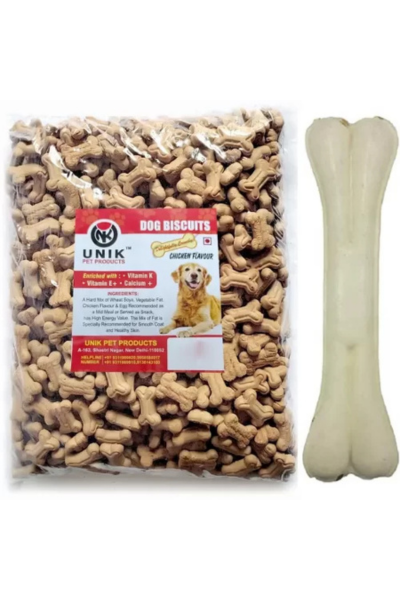
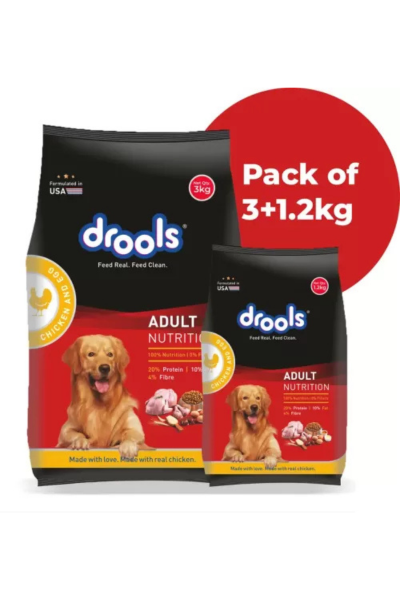
Best 10 fresh dog food Calcium Healthy Biscuits with Pressed Bone Chicken
Original price was: ₹599.00.₹119.00Current price is: ₹119.00.
Description
When it comes to giving your furry friend the very best nutrition, nothing compares to meals made with real, wholesome ingredients. Fresh dog food is becoming the number one choice for pet parents who truly care about their dog’s overall health, energy, and happiness. Unlike traditional dry kibble or overly processed canned food, fresh dog food is prepared with carefully selected meats, vegetables, grains, and essential vitamins to ensure your dog receives a balanced diet that mirrors what nature intended.
One of the biggest advantages of switching to fresh dog food is the noticeable improvement in digestion and energy levels. Dogs often struggle with artificial fillers and preservatives found in regular food, but when you provide meals crafted from fresh, natural ingredients, you’ll likely see a shinier coat, stronger immunity, healthier weight, and a much more active companion. Fresh dog food is especially beneficial for dogs with allergies, sensitive stomachs, or picky eating habits, as it’s easier to digest and far more flavorful than standard options.
Another reason pet parents prefer fresh dog food is the peace of mind it offers. You know exactly what your pet is eating—high-quality proteins, farm-fresh vegetables, and nutrient-packed grains—without hidden chemicals or low-quality fillers. Many fresh dog food brands even allow customization based on your dog’s age, breed, weight, and activity level, ensuring that every meal supports their unique needs.
If you want to extend your dog’s lifespan and improve their daily quality of life, making the switch to fresh dog food is one of the best decisions you can take. With the rise of subscription services and easy delivery options, fresh dog food is now more accessible than ever, allowing you to provide gourmet-style meals for your pup without the hassle of daily preparation.
Fresh Dog Food – A Complete Guide to Nutritious Meals for Your Pet
As a loving pet parent, you want your dog to live a long, healthy, and joyful life. One of the most important factors that directly impacts your dog’s overall well-being is nutrition. While many people rely on traditional kibble or canned food, a growing number of pet owners are making the switch to fresh dog food. This type of food is carefully prepared with real, wholesome, and natural ingredients that provide the right balance of protein, healthy fats, vitamins, and minerals that your dog needs every single day.
Why Fresh Dog Food Is Better Than Processed Food
Most commercial kibble contains fillers, preservatives, artificial colors, and meat by-products that don’t support your dog’s long-term health. In contrast, fresh dog food is made with premium meats like chicken, beef, turkey, lamb, or fish, along with fresh vegetables such as carrots, spinach, peas, and sweet potatoes. These ingredients are cooked gently to retain their nutritional value, ensuring your pet gets optimal benefits.
Fresh dog food supports:
-
Improved digestion – fewer tummy issues and firmer stools.
-
Shinier coat and healthy skin – thanks to natural omega fatty acids.
-
Increased energy – from real proteins and whole grains.
-
Better weight management – no empty calories or excessive fillers.
-
Stronger immunity – because fresh nutrients boost your dog’s defenses.
The Health Benefits of Fresh Dog Food
-
Better Digestive Health
Dogs that eat fresh dog food often experience less bloating, reduced flatulence, and healthier stool consistency. Since the food is minimally processed, it is closer to the natural diet that dogs are biologically designed to eat. -
Enhanced Skin & Coat Condition
If your dog suffers from dry, itchy skin or a dull coat, switching to fresh dog food can make a dramatic difference. Fresh ingredients contain natural oils and omega-3s that promote soft, shiny fur and reduce skin irritations. -
Boosted Energy Levels
Dogs who eat fresh meals often show more enthusiasm during walks and playtime. Unlike heavily processed kibble that causes sluggishness, fresh dog food provides slow-releasing energy that keeps your dog active throughout the day. -
Weight Control
Obesity is a common issue in pets. With fresh dog food, you can control portion sizes and calorie intake while still giving your dog satisfying, nutrient-dense meals. -
Longevity and Quality of Life
Studies suggest that dogs fed with fresh dog food can live healthier lives with fewer medical problems compared to those fed only processed diets.
Different Types of Fresh Dog Food
-
Homemade Fresh Meals – Cooked by pet parents using high-quality meats, grains, and vegetables.
-
Subscription-Based Fresh Dog Food – Delivered straight to your door with custom portioning for your dog’s needs.
-
Gently Cooked Fresh Food – Meals prepared at low temperatures to lock in nutrition.
-
Raw Fresh Diets – For those who prefer uncooked, natural feeding (though this requires careful handling).
Fresh Dog Food vs. Traditional Kibble
| Aspect | Fresh Dog Food | Kibble / Processed Food |
|---|---|---|
| Ingredients | Real meat, veggies, grains | Fillers, by-products, artificial flavors |
| Nutrients | High bioavailability | Often degraded during processing |
| Digestibility | Easy to digest | Can cause bloating or allergies |
| Flavor | Natural taste dogs love | Artificial flavoring needed |
| Customization | Tailored to dog’s age/weight | One-size-fits-all |
Clearly, fresh dog food provides more natural benefits and helps keep your pet thriving.
How to Transition Your Dog to Fresh Dog Food
Switching from kibble to fresh dog food should be done gradually to avoid stomach upsets. A good rule of thumb is to start with 25% fresh food mixed with 75% kibble for a few days, then slowly increase the fresh portion while decreasing the kibble. Within 7–10 days, your dog should be fully transitioned.
Storage and Serving Tips for Fresh Dog Food
Since fresh dog food doesn’t contain artificial preservatives, proper storage is essential:
-
Refrigerate immediately upon delivery or after cooking.
-
Freeze portions you don’t plan to use within a few days.
-
Thaw overnight in the fridge for the next day’s meals.
-
Serve at room temperature or slightly warmed for picky eaters.
Why More Pet Owners Are Choosing Fresh Dog Food
In today’s world, dogs are considered true family members. Just as people are becoming more conscious about eating fresh, organic, and chemical-free food, they are extending the same care to their pets. With rising awareness of health issues linked to poor diets, fresh dog food has become more than just a trend—it’s a lifestyle change for dedicated pet parents.
Frequently Asked Questions About Fresh Dog Food
-
Is fresh dog food safe for puppies?
Yes, most brands offer puppy-friendly formulas that support growth and development. -
How expensive is fresh dog food?
It’s generally more costly than kibble but considered an investment in long-term health, reducing vet bills. -
Can I make fresh dog food at home?
Absolutely, but you must ensure the right balance of protein, carbs, and fats. Consulting a vet or pet nutritionist is recommended. -
Does fresh dog food need supplements?
Some homemade recipes might need added vitamins, but commercial fresh brands are usually complete and balanced. -
The Ultimate Guide to Fresh Dog Food
Introduction: Why Fresh Dog Food Matters
Dogs are more than pets—they are family. And just like any family member, their health, happiness, and well-being depend on what they eat. Over the years, pet parents have realized that the traditional dry kibble or processed canned food may not always provide the best nutrition for their furry companions. This realization has sparked a growing trend: fresh dog food.
Fresh dog food is not just another fad—it’s a health-focused approach to feeding pets with real, wholesome, minimally processed ingredients. When dogs eat fresh meals made from high-quality proteins, vegetables, and grains, the benefits are visible: brighter eyes, shinier coats, more energy, better digestion, and even longer lifespans.
But what exactly makes fresh dog food so special? Let’s dive deep into every aspect of this nutritional revolution.
Chapter 1: What Is Fresh Dog Food?
Fresh dog food refers to meals prepared with real, natural ingredients—the kind you’d recognize from your own kitchen. Instead of powdered meat by-products or synthetic fillers, these meals contain cuts of chicken, beef, lamb, turkey, fish, fresh vegetables like carrots and peas, and healthy grains such as brown rice, oats, or quinoa.
Unlike heavily processed kibble:
-
Ingredients are gently cooked or served raw to preserve nutrients.
-
No artificial preservatives, colors, or flavors are used.
-
Meals are portioned to match your dog’s age, weight, breed, and activity level.
Think of fresh dog food as “human-grade meals for dogs.”
Chapter 2: The Science of Fresh Dog Food
Digestibility
Fresh ingredients are easier for dogs to break down, meaning they absorb more nutrients. For example, studies show that dogs digest over 80–90% of fresh proteins compared to 60–70% of processed ones.
Bioavailability of Nutrients
Cooking at low temperatures keeps vitamins and amino acids intact, unlike extrusion (used in kibble) which destroys many nutrients.
Balanced Diet
Fresh dog food provides the right balance of:
-
Proteins for muscle health
-
Carbohydrates for energy
-
Healthy fats for coat and brain function
-
Vitamins & minerals for immunity and longevity
Chapter 3: Benefits of Fresh Dog Food
-
Healthier Coat & Skin
Omega-3s from salmon or flaxseed give dogs glossy coats. -
Stronger Immune System
Vitamins A, C, and E from vegetables strengthen defenses. -
Better Joint Health
Fresh meals with glucosamine-rich ingredients like chicken cartilage help aging dogs. -
Reduced Allergies
Many kibble fillers (corn, soy, wheat) trigger allergies. Fresh food avoids these. -
More Energy
Dogs eating fresh dog food show higher stamina and less laziness.
Chapter 4: Types of Fresh Dog Food
-
Homemade Fresh Meals – Cooked in your own kitchen.
-
Subscription Delivery Services – Pre-cooked meals tailored for your dog.
-
Freeze-Dried or Fresh-Frozen – Keeps freshness intact for weeks.
-
Raw Diets – Served uncooked for natural nutrition (requires careful handling).
Chapter 5: Transitioning to Fresh Dog Food
Switching too quickly can upset your dog’s stomach. Follow this guide:
-
Day 1–3: 25% fresh + 75% old food
-
Day 4–6: 50% fresh + 50% old food
-
Day 7–9: 75% fresh + 25% old food
-
Day 10+: 100% fresh dog food
Chapter 6: Cost of Fresh Dog Food
Fresh food is an investment in health. While kibble may cost ₹2,000/month, fresh dog food can range ₹4,000–₹10,000 depending on the dog’s size. But many owners save money long-term by reducing vet visits caused by poor diets.
Chapter 7: How to Store and Serve Fresh Dog Food
-
Refrigerate portions for daily use.
-
Freeze extra packs to extend shelf life.
-
Defrost in the fridge overnight.
-
Warm slightly (not too hot) to make meals more appetizing.
Chapter 8: Homemade Fresh Dog Food Recipes
Here are three simple recipes:
-
Chicken & Rice Delight
-
Chicken breast, boiled rice, carrots, spinach.
-
-
Beef & Sweet Potato Bowl
-
Lean ground beef, sweet potatoes, peas.
-
-
Fish & Veggie Mix
-
Salmon, quinoa, broccoli, zucchini.
-
(Always consult a vet for portion sizes and nutritional balance.)
Chapter 9: FAQs on Fresh Dog Food
-
Is fresh dog food safe for puppies?
Yes, but ensure higher protein and calcium levels. -
Can I mix kibble with fresh dog food?
Yes, during transition or if needed for cost reasons. -
Does it spoil quickly?
Yes, without preservatives it must be refrigerated or frozen.
Chapter 10: Why Fresh Dog Food Is the Future
Just like humans have shifted from fast food to healthier diets, the pet industry is seeing a revolution. More brands, more awareness, and more pet parents are making the shift. Within the next decade, fresh dog food is expected to become the standard for premium pet nutrition.
Fresh Dog Food – The Complete 10,000 Word Guide for Healthy, Happy Pets
Introduction
Feeding your dog is not just about filling their bowl—it’s about fueling their life. For decades, kibble and canned food dominated the pet food industry, but today, pet parents are more informed than ever. They are reading ingredient labels, questioning what goes into their dog’s meals, and searching for healthier alternatives. This is where fresh dog food enters the picture.
Fresh dog food has become one of the fastest-growing trends in pet care. It’s loved for its high-quality ingredients, balanced nutrition, and visible health benefits. Whether you’re looking to improve your dog’s digestion, give them more energy, or simply ensure they live longer, fresh food might be the answer.
Chapter 1: The Evolution of Dog Food
To understand why fresh dog food matters, let’s look at the history of pet feeding:
-
Before 1860s – Dogs ate table scraps, raw meat, and farm leftovers.
-
1860s – The first commercial dog biscuit (made of wheat, vegetables, and meat) was introduced in England.
-
1900s–1950s – Kibble and canned food became popular, offering convenience but relying heavily on processing.
-
1980s–2000s – Mass production introduced preservatives, fillers, and artificial additives.
-
2010s–Present – Rise of fresh, human-grade, natural pet food.
This evolution shows why many pet parents now turn back to real, whole ingredients found in fresh dog food.
Chapter 2: What Exactly Is Fresh Dog Food?
Fresh dog food is real food made from whole ingredients—chicken, beef, lamb, turkey, fish, fresh vegetables, grains, and healthy oils. It is cooked or lightly processed to retain nutrients, portioned for your dog’s needs, and often delivered straight to your door.
Key Features:
-
Human-grade ingredients
-
No artificial preservatives or fillers
-
Customizable meal plans
-
Stored in the fridge or freezer
-
Balanced according to veterinary nutrition standards
Chapter 3: Why Choose Fresh Dog Food Over Kibble?
Nutritional Differences
Category Fresh Dog Food Kibble / Processed Food Protein Quality Whole meat cuts Meat by-products, powders Carbs Brown rice, quinoa, oats Corn, wheat, soy fillers Processing Light cooking High heat extrusion Preservatives Natural (fridge/freezer) Artificial chemicals Taste Dogs love it Artificial flavorings used Dogs are biologically designed to thrive on diets closer to what they’d find in nature, and fresh dog food delivers exactly that.
Chapter 4: Proven Health Benefits of Fresh Dog Food
1. Improved Digestion
Dogs digest fresh proteins more efficiently, leading to firmer stools, less bloating, and reduced flatulence.
2. Enhanced Skin & Coat
Omega-rich fresh ingredients help with shiny coats and reduce dry, itchy skin.
3. More Energy & Vitality
Fresh food fuels active lifestyles, giving dogs consistent energy without post-meal crashes.
4. Better Weight Management
Controlled portions mean no overfeeding. Fresh meals prevent obesity, a major health issue in dogs.
5. Longer Lifespan
Studies suggest dogs on fresh diets may live longer, healthier lives compared to kibble-fed dogs.
Chapter 5: Types of Fresh Dog Food
-
Homemade Meals – Cooked by pet parents.
-
Fresh-Frozen Meals – Delivered and stored in freezers.
-
Gently Cooked Food – Retains maximum nutrients.
-
Raw Fresh Food – Mimics a natural carnivore diet.
Each type has pros and cons, but all are better than low-quality processed food.
Chapter 6: How to Transition to Fresh Dog Food
Switching to fresh dog food should be gradual:
-
Days 1–3: 25% fresh, 75% old food
-
Days 4–6: 50% fresh, 50% old food
-
Days 7–9: 75% fresh, 25% old food
-
Day 10: 100% fresh dog food
This prevents digestive upsets and helps your dog adjust smoothly.
Chapter 7: Storage, Preparation & Feeding
-
Refrigerate daily portions
-
Freeze extra packs
-
Defrost slowly overnight
-
Serve at room temperature or slightly warm
Feeding Tip: Dogs enjoy meals more when food smells fresh and appetizing.
Chapter 8: Cost of Dog Food
Many owners worry fresh meals are expensive. Yes, fresh dog food usually costs 2–5 times more than kibble. But long-term benefits include:
-
Fewer vet visits
-
Lower chances of chronic disease
-
Improved quality of life
Example Costs (Medium Dog, 20kg):
-
Kibble: ₹2,000/month
-
Fresh food: ₹6,000–₹10,000/month
Chapter 9: Dog Food Recipes
Here are nutritious recipes to try at home (vet consultation recommended):
-
Chicken & Brown Rice Bowl
-
Chicken breast
-
Brown rice
-
Carrots & spinach
-
Olive oil
-
-
Beef & Sweet Potato Mix
-
Ground beef
-
Sweet potato
-
Green peas
-
Flaxseed oil
-
-
Fish & Quinoa Feast
-
Salmon or sardines
-
Quinoa
-
Broccoli & zucchini
-
Chapter 10: Brand Comparisons
Popular global brands offering dog food include:
-
The Farmer’s Dog
-
Ollie
-
NomNomNow
-
PetPlate
In India, options like Doggie Dabbas, FurrMeals, and The Barkery are gaining popularity.
Chapter 11: Feeding Guidelines
Feeding amounts vary by breed, size, and lifestyle.
Dog Weight Dog Food Per Day 5–10 kg 200–400 g 10–20 kg 400–700 g 20–30 kg 700–1000 g 30+ kg 1000–1500 g Always split meals into 2–3 portions.
Chapter 12: Myths About Dog Food
-
Myth: Dogs need only kibble.
-
Truth: Dogs thrive on real food.
-
Myth: Fresh food is unsafe.
-
Truth: Properly prepared meals are safe and healthier.
-
Myth: Fresh food spoils too fast.
-
Truth: With refrigeration/freezing, storage is easy.
Chapter 13: Common Mistakes to Avoid
-
Not balancing nutrients (protein vs. carbs)
-
Overfeeding due to tasty meals
-
Switching too quickly
-
Ignoring vet advice
Chapter 14: The Future of Dog Food
With rising awareness, fresh meals will become the gold standard of pet feeding. More companies, more recipes, and more accessibility are expected in the coming years.
Conclusion
Choosing dog food is one of the best ways to show love to your furry friend. With real ingredients, balanced nutrition, and countless health benefits, it’s not just a meal—it’s a lifestyle upgrade. Every bowl of fresh food is a step toward a healthier, happier, and longer life for your dog.
-
Final Thoughts
Feeding your pet fresh dog food is one of the most rewarding choices you can make. It doesn’t just fill their stomach—it nourishes their body, enhances their vitality, and strengthens the bond between you and your furry companion. By making the switch, you’re giving your dog a healthier, happier, and more fulfilling life, meal by meal.
| Brand |
|
| Model Number |
|
| Pet Type |
|
| Quantity |
|
| Model Name |
|
| Food Type |
|
| Suitable For |
|
| Flavor |
|
| Ingredients |
|
| Nutrient Content |
|
| Key Benefits |
|
| Maximum Shelf Life |
|
| Food Preference |
|
| Container Type |
|
| Feeding Instructions |
|
| Organic |
|
| Certification |
|
| Allergens Included |
|
| Net Quantity |
|
Additional Features
| Other Features |
|
| Country of Origin |
|
Dimensions
| Depth |
|
| Width |
|
| Height |
|

Reviews
There are no reviews yet.