

no. 1 best cat and leash with harness
₹799.00 Original price was: ₹799.00.₹590.00Current price is: ₹590.00.
Category: Harness
Description
cat and leash
| Size | Large |
| Colour | Yellow |
| Pattern | Rainbow |
| Brand | House Of Pets |
| Material | Nylon |
Introduction: Redefining the Feline Lifestyle
Cats are often described as independent, mysterious, and graceful companions. Unlike dogs, which have historically been trained to walk on leashes, cats have long been considered free-roaming animals who prefer to explore the world on their own terms. Yet, as cities grow larger and outdoor dangers increase, pet parents are realizing the importance of finding a balance between freedom and safety.
That balance is often achieved through the thoughtful use of a cat and leash. A leash designed for cats allows them to enjoy the stimulation of outdoor environments without the risks of traffic, aggressive animals, or getting lost. For many owners, the leash represents not only a safety tool but also an opportunity to bond more deeply with their feline companions.
While the idea of walking cats on a leash may once have seemed unusual, it is now steadily becoming part of modern pet care. Just as cats and harnesses opened up opportunities for safe exploration, the addition of a secure leash completes the setup, transforming indoor cats into confident adventurers under careful supervision.
The Evolution of cat and leash
Early Practices
Historically, cats were not walked the way dogs were. They were trusted to explore their surroundings and return home when they pleased. But as urbanization grew, so did the hazards for outdoor cats. The idea of restraining a cat for safety was once met with skepticism, yet necessity drove innovation.
Modern Leashes
Today, a cat and leash combination is crafted with feline anatomy in mind. Unlike dog leashes, which often prioritize control and strength, cat leashes are lightweight, flexible, and paired with specially designed harnesses to avoid choking hazards. Modern leashes reflect the growing respect for feline welfare, ensuring that exploration comes with security.
Anatomy of a cat and leash
Understanding how a cat leash differs from other pet leashes helps explain its growing popularity.
Key Features
-
Lightweight Design
-
Cats are smaller and more delicate than dogs. A lightweight leash prevents fatigue and discomfort.
-
-
Length Options
-
Standard cat and leash measure between 4 and 6 feet, but retractable versions extend much longer. Shorter leashes provide control, while longer ones allow more freedom.
-
-
Material Choices
-
Nylon: Durable, affordable, and common.
-
Cotton: Soft and flexible.
-
Leather: Sturdy but less common for cats.
-
Retractable Cords: Offer adjustable freedom.
-
-
Safety Clips and Hooks
-
A sturdy but lightweight clip ensures the leash attaches securely to the harness.
-
-
Style Variations
-
Flat leashes, retractable leashes, and bungee-style leashes cater to different needs.
-
When paired correctly with a harness, the cat and leash system becomes an effective tool for enriching a cat’s daily life.
Benefits of Using a Cat and Leash
Walking a cat may not look the same as walking a dog, but the benefits are undeniable.
1. Safety and Security
Outdoor cats face dangers like cars, predators, and diseases. A cat and leash allows safe exploration without the risks of free roaming.
2. Physical Exercise
Cats, especially indoor ones, benefit from the movement and stimulation provided by leash walks. Exercise reduces obesity, improves muscle tone, and supports overall health.
3. Mental Stimulation
New sights, sounds, and smells prevent boredom and destructive behavior. Cats thrive on curiosity, and leash walking satisfies that need.
4. Strengthened Bonds
A cat and leash create opportunities for owners and pets to share experiences together, fostering trust and companionship.
5. Controlled Exploration
Cats that are naturally adventurous can enjoy nature without endangering themselves or local wildlife.
6. Travel Aid
When moving, visiting the vet, or exploring new places, a leash ensures that the cat remains under control.
In short, just as cats and harnesses protect our feline friends, the leash completes the safety system by allowing freedom within boundaries.
Cat and Leash vs. Cat Collars
Some owners wonder why they can’t just attach a leash to a cat collar. The answer lies in feline anatomy.
-
Collars: Suitable for ID tags but dangerous for walking. Pulling against a collar can strain the throat or cause choking.
-
Harness + Leash Combo: Distributes pressure across the torso, making it far safer and more comfortable.
Veterinarians strongly advise against walking cats with collars alone. The proper use of a harness with a cat and leash is the safest and most effective solution.
Training a Cat to Accept the Leash
Cats are not born cat and leash walkers. Training requires patience and consistency.
Step-by-Step Guide
-
Start with the Harness
-
Before the leash, the cat must get comfortable wearing a harness indoors.
-
-
Attach the Leash Indoors
-
Let the cat drag the leash around the house under supervision to get used to the sensation.
-
-
Short Guided Sessions
-
Gently hold the leash and guide the cat around indoors. Use treats to encourage calm walking.
-
-
Move Outdoors Gradually
-
Begin with quiet spaces like a backyard. Slowly extend the time spent outside.
-
-
Respect the Cat’s Pace
-
Some cats adapt quickly, others take weeks or months. Never force the process.
-
Training with a cat and leash is about building trust, not control. The goal is exploration, not obedience.
Types of Cat Leashes
Just as cats come in all personalities, cat leashes are designed to accommodate different lifestyles. Choosing the right leash ensures safety, comfort, and enjoyment for both cat and owner.
1. Standard Flat Leash
-
Usually 4–6 feet in length.
-
Made of nylon or cotton.
-
Lightweight and simple, ideal for beginners.
2. Retractable Leash
-
Extends up to 15–20 feet, giving cats more freedom.
-
Allows owners to adjust the distance.
-
Best suited for confident, leash-trained cats in open areas.
3. Bungee Leash
-
Elastic design absorbs sudden pulls.
-
Reduces strain on both cat and owner.
-
Great for energetic cats who like to dash or jump.
4. Rope-Style Leash
-
Durable and flexible.
-
Offers a comfortable grip for owners.
-
Commonly paired with heavy-duty harnesses.
5. Hands-Free Leash
-
Worn around the owner’s waist.
-
Popular for people who multitask during walks.
-
Recommended only for calm, well-trained cats.
Selecting the correct leash type ensures that the cat and leash experience matches the pet’s temperament and the owner’s walking environment.
Common Mistakes When Using a Cat and Leash
Even with the right gear, some owners unintentionally create challenges. Recognizing these mistakes ensures smoother training and safer walks.
1. Rushing the Process
Cats are cautious creatures. Forcing them into a leash-walking routine too quickly can backfire, making them fearful.
2. Choosing the Wrong Leash
A heavy, restrictive, or poorly designed leash discourages exploration. Cats need lightweight, flexible leashes tailored to their size.
3. Walking in Noisy Environments Too Soon
Cats are sensitive to sound. Introducing them to busy streets or dog-filled parks early on can cause stress and resistance.
4. Pulling or Tugging the Leash
Unlike dogs, cats do not respond well to force. Gentle guidance and patience are far more effective.
5. Skipping Positive Reinforcement
Failing to reward progress can delay training. Treats, toys, and praise keep the process enjoyable.
Avoiding these errors helps ensure that both cat and leash create a safe, enriching bond rather than a stressful one.
Cat Psychology and Leash Training
Understanding feline psychology is crucial when introducing a cat and leash. Cats are independent thinkers, not pack animals like dogs. Their behavior reflects instincts rooted in self-preservation and exploration.
Why Cats Resist Leashes at First
-
Fear of Restriction: Cats value autonomy and may see the leash as a threat.
-
Novelty Stress: New sensations, like the leash’s weight or tug, can trigger anxiety.
-
Territorial Instincts: Many cats feel uneasy leaving their indoor “safe zone.”
Why Cats Adapt to Leashes
-
Curiosity Wins: Over time, curiosity often outweighs fear, encouraging cats to explore.
-
Positive Associations: Treats, affection, and calm environments make leashes feel rewarding.
-
Gradual Confidence: Cats learn that the leash equals safety and companionship, not danger.
Understanding this mindset helps owners tailor training methods, ensuring a smoother adjustment.
Expert Opinions on Cats and Leashes
Veterinarians and behaviorists increasingly encourage leash training for suitable cats.
-
Dr. Sarah Wooten, Veterinarian:
“Leash walking can enrich a cat’s life tremendously. The key is patience and a proper harness-leash setup to avoid injuries.” -
Jackson Galaxy, Cat Behaviorist:
“Cats can absolutely enjoy leashed adventures. The process is about respecting the cat’s individuality and never forcing the pace.” -
Animal Welfare Organizations:
Many shelters recommend leash training as a way to give indoor cats outdoor experiences without exposing them to dangers like cars or predators.
Professional consensus is clear: when introduced correctly, the combination of cat and leash (often alongside cats and harnesses) leads to healthier, happier pets.
Case Studies: Cats on Leashes
Case Study 1: Oliver the City Cat
Oliver, a rescue tabby living in New York City, began leash training at age 2. Within three months, he was confidently walking in local parks. His owner credits leash training with reducing Oliver’s destructive scratching indoors.
Case Study 2: Daisy the Adventure Cat
Daisy, a Siamese from Canada, now hikes forest trails with her owner. Her leash and harness give her the freedom to explore while staying safe from wildlife. Daisy has become a social media inspiration for pet parents worldwide.
Case Study 3: Coco the Nervous Explorer
Coco, a shy calico, took nearly six months to accept her leash. Today, she enjoys short backyard walks. Her slow progress shows that patience and positive reinforcement make leash training possible even for anxious cats.
These examples prove that cats, regardless of age or temperament, can thrive with proper leash training.
Travel with a Cat and Leash
Traveling is often stressful for cats. Yet, having a leash provides security and flexibility.
Scenarios Where a Leash is Helpful
-
Vet Visits
-
A cat can be safely moved from the car to the clinic without risk of escape.
-
-
Apartment Moves
-
Leashes allow safe exploration of new homes without the chance of bolting through open doors.
-
-
Car Trips
-
During rest stops, cats can stretch safely while on a leash.
-
-
Vacation Adventures
-
Cat-friendly camping or hotel stays are easier when cats can walk outside on a leash.
-
A leash is a small accessory that makes a big difference in feline travel safety.
Alternatives to a Cat and Leash
While the cat and leash combination is one of the most effective tools for safe outdoor exploration, some pet parents look into alternatives depending on lifestyle, environment, or their cat’s temperament.
1. Catios (Cat Patios)
-
Secure outdoor enclosures built onto homes.
-
Allow cats fresh air and sunshine without ever needing a leash.
-
Can be small window boxes or large backyard structures.
2. Strollers for Cats
-
Pet strollers let owners take cats outdoors without direct walking.
-
Ideal for senior cats, kittens, or cats recovering from surgery.
-
Less intimidating for nervous cats.
3. Backpack Carriers
-
Special backpacks with mesh windows allow cats to be carried outdoors.
-
A good option for urban dwellers.
-
Often combined with occasional leash walking once the cat is calmer.
4. Indoor Exercise Alternatives
-
For cats unwilling to accept leashes, enrichment toys, climbing trees, and play tunnels provide stimulation.
While these alternatives offer enrichment, they rarely replace the full mental and physical benefits of a cat and leash setup. For many owners, combining these tools creates the best balance.
Indoor Uses of a Cat and Leash
Leashes are often thought of as outdoor tools, but indoor use has its advantages too.
Training Aid
Newly adopted cats can be guided around the home to build trust and boundaries.
Introducing New Pets
A leash provides control during cat-to-cat or cat-to-dog introductions, ensuring safety.
Controlling Access
In multi-level homes or apartments, leashes can help regulate where a cat goes.
Exercise Indoors
Some owners use a leash in large basements or playrooms to practice walking before heading outside.
Indoor leash use creates a stepping stone for outdoor adventures.
Myths and Misconceptions About Cats and Leashes
Despite growing popularity, many myths still surround the idea of walking cats. Let’s clear them up.
Myth 1: “Cats Can’t Be Walked on a Leash.”
-
Truth: Cats can be trained with patience. Thousands of success stories prove it.
Myth 2: “Walking a Cat is Cruel.”
-
Truth: Forcing a cat is cruel, but introducing a leash gradually can enhance their life.
Myth 3: “Only Kittens Can Learn.”
-
Truth: While kittens adapt faster, adult and even senior cats can learn with slow training.
Myth 4: “Cats Don’t Like Being Outdoors on a Leash.”
-
Truth: Some cats love it; others don’t. Personality determines success, not species.
Myth 5: “A Collar is Enough.”
-
Truth: Collars risk choking. Harnesses with leashes are far safer.
Debunking these misconceptions helps more owners embrace the benefits of leash training.
Cultural Acceptance of Cat and Leash Walking
Walking cats may still turn heads in some neighborhoods, but acceptance is spreading worldwide.
In North America
-
Adventure cats with leashes are a growing trend.
-
Social media has normalized the sight of cats on trails and in parks.
In Europe
-
Urban areas like Paris and Berlin increasingly see cats walking on sidewalks.
-
Pet-friendly cafés encourage leash use for safety.
In Asia
-
Japan leads with fashionable leashes and backpacks for cats.
-
In cities like Tokyo, cats and harnesses are part of modern pet culture.
In Rural Areas
-
Some rural communities view leashes as unnecessary, since cats roam freely.
-
Yet, growing awareness of wildlife protection and safety is changing opinions.
Over time, leashes for cats may become as normal as dog leashes in many places.
Eco-Friendly Cat and Leash Designs
With sustainability in mind, many companies now produce eco-conscious leashes.
-
Organic Cotton Leashes: Gentle on cats and biodegradable.
-
Recycled Nylon Leashes: Repurpose plastic bottles into durable straps.
-
Bamboo Fiber Options: Lightweight and eco-friendly.
-
Vegan Leather Alternatives: Cruelty-free but stylish.
Eco-friendly designs not only protect pets but also reduce environmental impact, appealing to conscious consumers.
The Role of Cats and Harnesses in Leash Safety
Although this description focuses on leashes, it’s worth remembering that cats and harnesses go hand in hand. A leash alone cannot ensure safety without a proper harness. Together, they form the ultimate outdoor system for cats.
-
Harness Distributes Pressure: Prevents injury to the neck.
-
Harness Prevents Escapes: Cats are flexible and skilled at slipping out of collars.
-
Leash Connects the Bond: Provides the balance between safety and freedom.
Whenever cat owners talk about leashes, harnesses inevitably become part of the conversation.
The Human Side of Cat Leash Walking
Leash walking is not only about the cat—it also affects the owner’s lifestyle.
Benefits for Humans
-
Exercise
Walking with a cat may not be fast-paced, but it still encourages owners to move more. -
Mindfulness
Cats walk at their own pace, often stopping to observe details. Owners learn patience and presence. -
Social Interaction
Walking a cat sparks conversations with neighbors and fellow pet parents. -
Bonding Ritual
Daily walks strengthen the emotional connection between cat and owner.
The cat and leash journey becomes a shared activity, enriching both lives.
Advanced Training Tips for Cat and Leash Success
Once the basics are mastered, cat owners can refine their leash-training techniques to maximize enjoyment.
1. Clicker Training
-
Introduce a clicker to mark desired behaviors.
-
Reward the cat each time it follows your guidance on the leash.
-
Builds strong associations and speeds up learning.
2. Direction Training
-
Use treats or toys to guide the cat left, right, or forward.
-
Over time, cats can learn to follow directional cues.
3. Recall on Leash
-
Teach the cat to come when called, even while exploring on a leash.
-
Begin with short distances indoors, then expand outdoors.
4. Stopping on Command
-
A valuable safety skill for crossing streets or avoiding hazards.
-
Reinforce by rewarding the cat whenever it halts with you.
5. Multiple-Cat Leash Training
-
Some owners walk two cats at once.
-
Requires patience, matching compatible personalities, and using double leashes.
These advanced strategies transform a basic cat and leash walk into a true bonding and enrichment activity.
Seasonal Walking with a Cat and Leash
Cats, like humans, experience the seasons differently. Adjusting leash walks ensures year-round comfort and safety.
Spring
-
Blooming plants may attract cats, but some are toxic.
-
Use the leash to prevent nibbling on lilies, tulips, or daffodils.
Summer
-
Walks are best in the early morning or evening to avoid heatstroke.
-
Carry water for both you and your cat.
-
Asphalt can burn sensitive paws—test surfaces before walking.
Autumn
-
Falling leaves and cooler temperatures make for comfortable strolls.
-
Beware of mushrooms and mold, which can be harmful.
Winter
-
Shorter walks are advised.
-
Consider cat jackets, booties, or insulated harnesses.
-
Snow and salt can irritate paws; clean them after walks.
Seasonal adjustments keep both cats and harnesses functioning safely all year long.
Accessories for Cat and Leash Walking
Beyond the leash itself, several accessories enhance the experience.
1. Cat Harnesses
-
A secure harness is non-negotiable.
-
Options include vest-style harnesses, H-style harnesses, and escape-proof designs.
2. Reflective Gear
-
Reflective strips on leashes and harnesses ensure visibility at night.
3. ID Tags and Trackers
-
Microchips are crucial, but ID tags on harnesses provide immediate identification.
-
GPS trackers give peace of mind for outdoor adventures.
4. Leash Extenders and Couplers
-
For walking multiple cats together.
5. Cat Carriers and Backpacks
-
Helpful for transitioning between indoor spaces and safe outdoor walking zones.
Accessories don’t just add convenience—they create layers of safety for the cat and leash system.
Safety Hazards to Watch Out For
Leash walking is safe when done properly, but owners must stay alert to potential dangers.
1. Dogs and Other Animals
Not all dogs are cat-friendly. Always scan the environment before walking.
2. Toxic Plants
Cats may chew on grass or plants. Learn which are poisonous (e.g., lilies, azaleas).
3. Traffic
Even leashed cats can dart suddenly. Stick to quiet areas, away from busy roads.
4. Weather Conditions
Heat, cold, rain, and snow all impact a cat’s comfort.
5. Leash Malfunctions
Weak clips or frayed straps can break. Regularly inspect and replace gear.
Responsible owners know that safety always comes first when using a cat and leash.
Leash Etiquette for Cat Owners
Walking a cat in public is still unusual in many areas. Practicing good etiquette helps normalize the activity.
Respect Other Pets
-
Keep cats away from unfamiliar dogs unless both are calm.
Respect Other People
-
Not everyone loves cats; some may be afraid or allergic.
-
Maintain control and avoid approaching strangers without consent.
Clean Up After the Cat
-
Bring waste bags, just as dog owners do.
Stay Calm and Patient
-
Cats may stop often to sniff or observe. Let them lead the pace.
Good etiquette ensures that cat and leash walking remains a positive experience for everyone.
Adventure Cat Communities
The rise of “adventure cats” has built an entire subculture of pet lovers.
Online Groups
-
Social media platforms host thousands of accounts dedicated to cats on leashes.
-
Hashtags like #AdventureCat and #CatsOfInstagram showcase feline explorers.
Books and Guides
-
“Adventure Cats” by Laura J. Moss popularized the movement.
Events and Meetups
-
Some cities now host “cat walks” where leash-trained cats gather with their owners.
Inspiration for New Owners
-
Seeing others succeed with cats and harnesses encourages hesitant pet parents to try it themselves.
Adventure cat communities continue to break stereotypes, showing the world that cats are just as capable of outdoor bonding as dogs.
Psychological Benefits for Cats on Leashes
Leash walking doesn’t just keep cats safe—it improves their emotional well-being.
Reduced Boredom
Cats prone to destructive behavior indoors often calm down after leash walks.
Stress Relief
Exploring new environments reduces anxiety in some cats.
Confidence Boost
Shy or timid cats often gain confidence when safely exposed to the outdoors.
Enhanced Curiosity
Cats’ natural hunting instincts are satisfied by watching birds, bugs, and rustling leaves.
By blending stimulation with safety, a cat and leash create a balance that nurtures both body and mind.
About this item
- Ultimate Comfort: Our cat harness is crafted using the lightest materials available, ensuring maximum comfort for your kitty. They won’t even notice they’re wearing it, allowing for a stress-free and enjoyable experience.
- Adjustable and Escape-Proof: Easily adjust the length of the rope with the button on the rope. This harness is designed to fit both small kittens and large cats. It features an unbreakable infinity ring and is escape-proof. It can even be used for small animals like rabbits.
- Eye-Catching Design: Adorn your lovely cat with our multi-color splicing patterned harness. It will transform your sweet kitties into charming and stylish companions.
- Effortless Control: The durable cat harness with leash set provides a secure option for you to control and guide your feline friend during walks and explorations.
- Dimensions and Fit: Designed for neck girths measuring 7.8″-12.2″, chest girths measuring 10.2″-16.9″, and leash length of 48″. Please ensure to measure your pet’s neck girth and chest girth before purchasing. Fits up to 14 inches in the abdomen area (measure around the kitty directly behind the front legs
Be the first to review “no. 1 best cat and leash with harness” Cancel reply
Related products
-
Sale!

best 1 dog with harness Adjustable Dog Belts Night Reflective
₹3,999.00Original price was: ₹3,999.00.₹1,349.00Current price is: ₹1,349.00. -
Sale!

Top 20 best harness on a dog – Adjustable Soft Leash Collar
₹999.00Original price was: ₹999.00.₹141.00Current price is: ₹141.00. -
Sale!
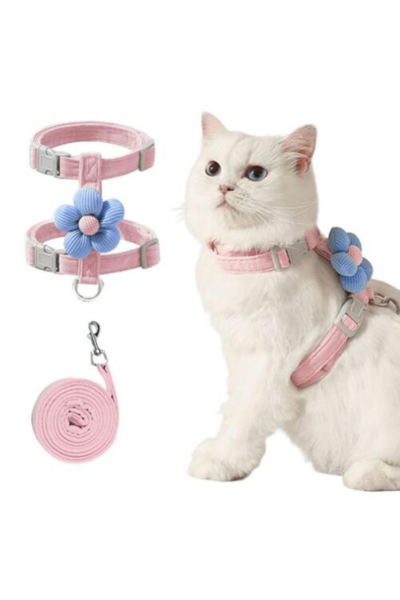
Qpets® no. 1 best cat halter and leash
₹288.00 – ₹289.00Price range: ₹288.00 through ₹289.00Select options This product has multiple variants. The options may be chosen on the product page Details -
Sale!
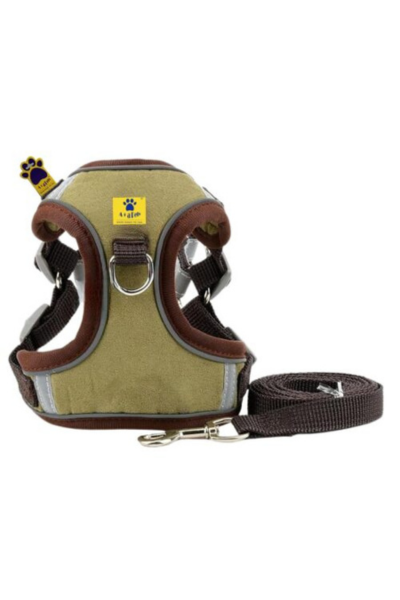
Pets’ Reflective dog harness and leash Set of 2
₹899.00Original price was: ₹899.00.₹559.00Current price is: ₹559.00.
Reviews
There are no reviews yet.